Senior Cat Dental Problems: Special Care Requirements
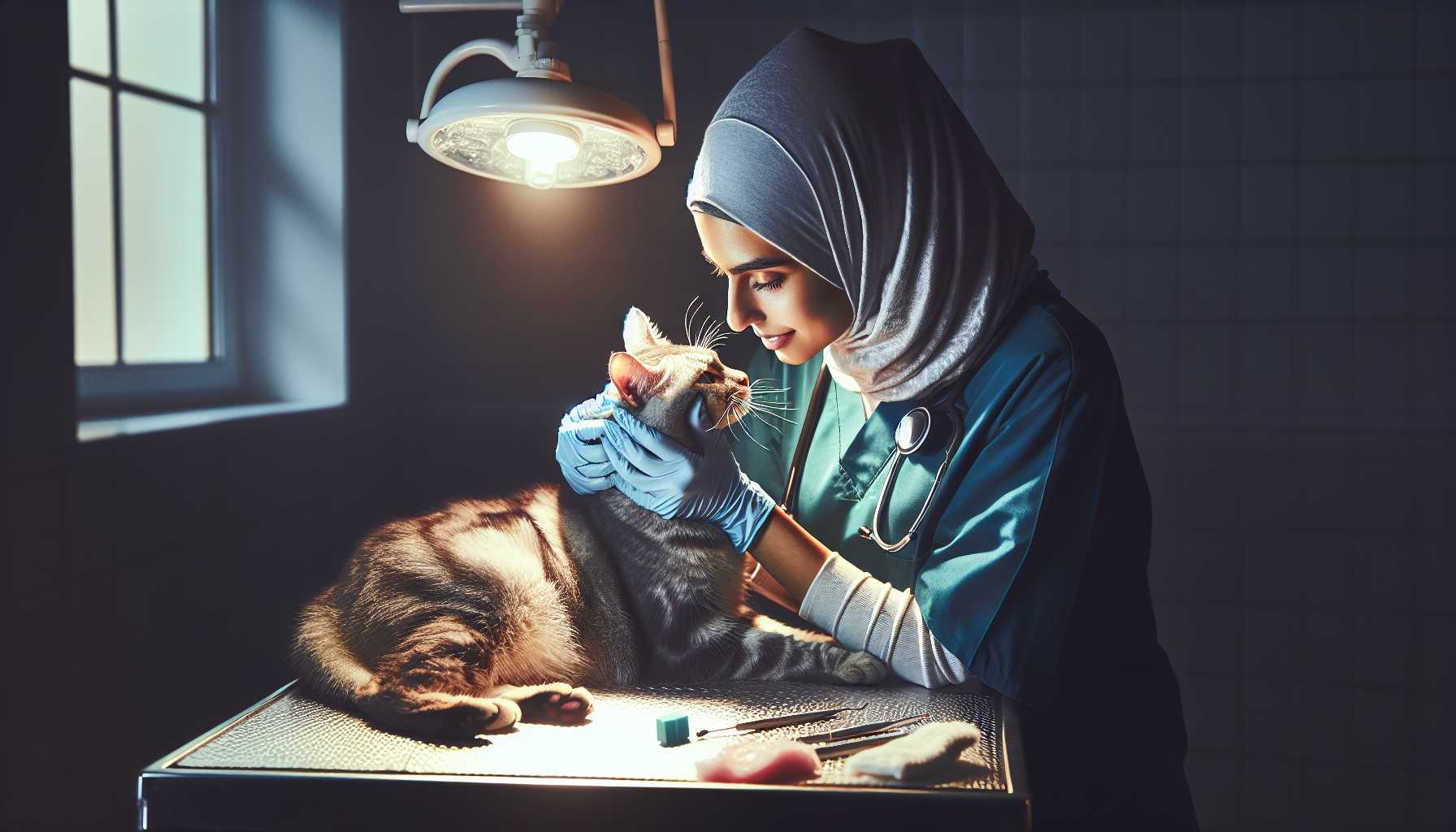
The Importance of Dental Care for Senior Cats: A Special Care Guideline
As our feline companions grow older, maintaining their dental health becomes more vital. Elderly cats face unique health challenges that aren't usually encountered by younger cats. Fully comprehending these concerns enables us to provide more effective care for our beloved pets.
The Increased Significance of Dental Health in Senior Cats
Older cats are more prone to dental issues than their younger counterparts due largely to weakened immune systems, making infection fighting an uphill battle. A significant dental problem could greatly affect their quality of life.
Much like seasoned actors, senior cats are very good at hiding their discomfort. Their natural instinct makes it easy to bypass any dental problems. Hence, regularly scheduled check-ups are momentous for timely detection.
Typical Dental Problems Identified in Senior Cats
Periodontal Disease
This ailment is common in most elderly cats. A buildup of bacteria along the gum line inflames and infects the mouth. If not treated swiftly, it could lead to tooth loss.
The disease advances slowly with time. Early stages appear as red, swollen gums, while advanced instances show loose teeth and foul breath. Some cats may even drool excessively.
Tooth Resorption
Like human cavities, this painful condition affects a large number of older cats. The tooth starts breaking down internally, making it a fairly complicated case.
Cats experiencing tooth resorption tend to eat more from one side, drop food frequently or may even avoid eating hard food.
Gingivitis
Swollen gums are prevalent in senior cats. This causes the gums to appear red, swollen, and can bleed easily while eating or grooming.
Gingivitis is significantly uncomfortable, leading cats to paw at their faces or even refuse their favorite treats.
Potential Warning Signs to Keep an Eye On
Modification in Eating Patterns
Dental issues can cause older cats to alter their eating patterns. They may opt for softer food instead of hard kibble or eat slower than usual.
Watch out for your cat tilting their head while eating, indicating pain on one side, or dropping food frequently.
Foul Breath
While cats’ breath isn’t naturally fragrant, overly offensive breath is a warning signal. Healthy senior cats shouldn't have an overwhelmingly foul breath.
A sweet or fruity breath might be a sign of diabetes, while a rotten scent usually indicates dental disease. Any abrupt change in breath should be addressed immediately.
Changes in Behavior
Severe dental pain can significantly alter a senior cat's behavior. The cat might become less social, hide more than usual or exhibit increased irritability. These changes should not be dismissed as the usual effects of aging.
Extra Care Guidelines for Older Cats
Routine Veterinary Examination
Senior cats should have regular dental examinations every six months, with professional cleanings annually.
Veterinarians can identify potential problems in the early stages and recommend suitable treatments. It's best not to wait until the symptoms are obvious.
Home-Based Dental Care
Daily brushing is crucial for maintaining oral health. Remember to use only cat-specific toothpaste since human varieties can be toxic for cats.
Introduce home care routines gradually to help your cat get used to having their mouth touched. Patience during this process will make it easier for your pet.
Dental Treats and Toys
Dental treats can help minimize plaque buildup. Opt for products endorsed by veterinary organizations, as not all dental treats are created equal.
Dental toys that encourage natural chewing can help clean away plaque. Rotating toys will sustain your cat's interest.
Dietary Modifications for Older Cats with Dental Troubles
Soft Food Alternatives
Cats struggling with dental issues will find wet food easier to chew and swallow. It also ensures added hydration.
Warming the wet food slightly makes it more aromatic and appealing to your cat. However, take care not to serve it too hot.
Medicinal Diets
Some older cats need specially formulated food to control plaque. Your veterinarian can suggest suitable options.
Medicated diets tend to have a distinctive texture, designed to promote gentle chewing.
Professional Treatment Alternatives
Anesthetized Dental Cleaning
Professional cleaning necessitates general anesthesia to thoroughly examine and clean the teeth.
Modern anesthesia is safer for older cats. Pre-anesthetic blood tests can help identify potential risks.
Tooth Removing
Some dental issues call for tooth removal. Although it might sound harsh, extractions can eliminate sources of pain and infection.
Recovering from an extraction is usually straightforward. With the help of pain medication during the healing process, most cats can resume eating normally within a few days.
Pain Management
Dental pain should be treated promptly. Anti-inflammatory medications can provide relief. Never administer human pain medications to cats.
Your veterinarian will prescribe suitable pain relief. Follow the instructions carefully and keep a watchful eye for any side effects.
Creating a Friendly Environment
Feeding Stations
Set up comfortable feeding areas for your senior cats. Raised bowls can ease neck strain, and non-slip mats can prevent the bowl from sliding around.
Senior cats with dental problems may prefer to consume smaller meals more frequently, so multiple feeding stations could be beneficial.
Stress Reduction
Reducing stress around meal times and providing quiet eating spaces can enhance your cat's dining experience. If you have multiple cats, separate feeding areas are recommended.
During meal times, it's essential to create a tranquil environment with predictable routines.
Proactive Prevention Strategies
Starting Early
Preventing senior dental issues is easiest when done from the kitten age. Regular brushing from a young age can significantly help.
Even if your cat is already old, it's never too late to start taking care of their dental health.
Regular Monitoring
Regularly inspect your senior cat's mouth for signs of red, swollen gums, loose or broken teeth.
Taking pictures can help monitor changes over time, providing your veterinarian with a better background for making an assessment.
Emergency Care Situations
Seek immediate attention if your cat shows signs of a severe dental problem: facial swelling, difficulty in consuming food or water.
Excessive drooling or pawing at the face requires an evaluation. If you notice blood in their saliva or food bowls, you should urgently seek professional help.
The Impact on Quality of Life
Ignoring dental problems can severely affect the quality of life for your senior cat, potentially spreading the infection to other organs. However, proper dental care can considerably improve their level of comfort.
With successful dental treatments, many cats become more active and regain their normal appetite.
Collaborating with Your Veterinary Team
Developing a strong relationship with your veterinary team who understands your senior cat's particular needs is essential. Regular communication makes tracking progress more manageable.
Request demonstrations of the correct brushing methods, and ask questions about home care techniques.
Summing Up
Senior feline dental problems necessitate particular attention and care. Early detection can make treatment more effective. Regular veterinary care combined with home maintenance can provide the best health outcomes.
Every cat deserves a comfortable golden age, and proper dental care plays a significant role in their overall health. With determination, professional guidance, and patience, you can help maintain their quality of life.
Bear in mind, each cat is a unique individual. What works for one may not necessarily work for another, so stay patient and flexible while developing the best care routine for your senior cat.