Senior Cat Scratching Solutions: Arthritis-Friendly Guide
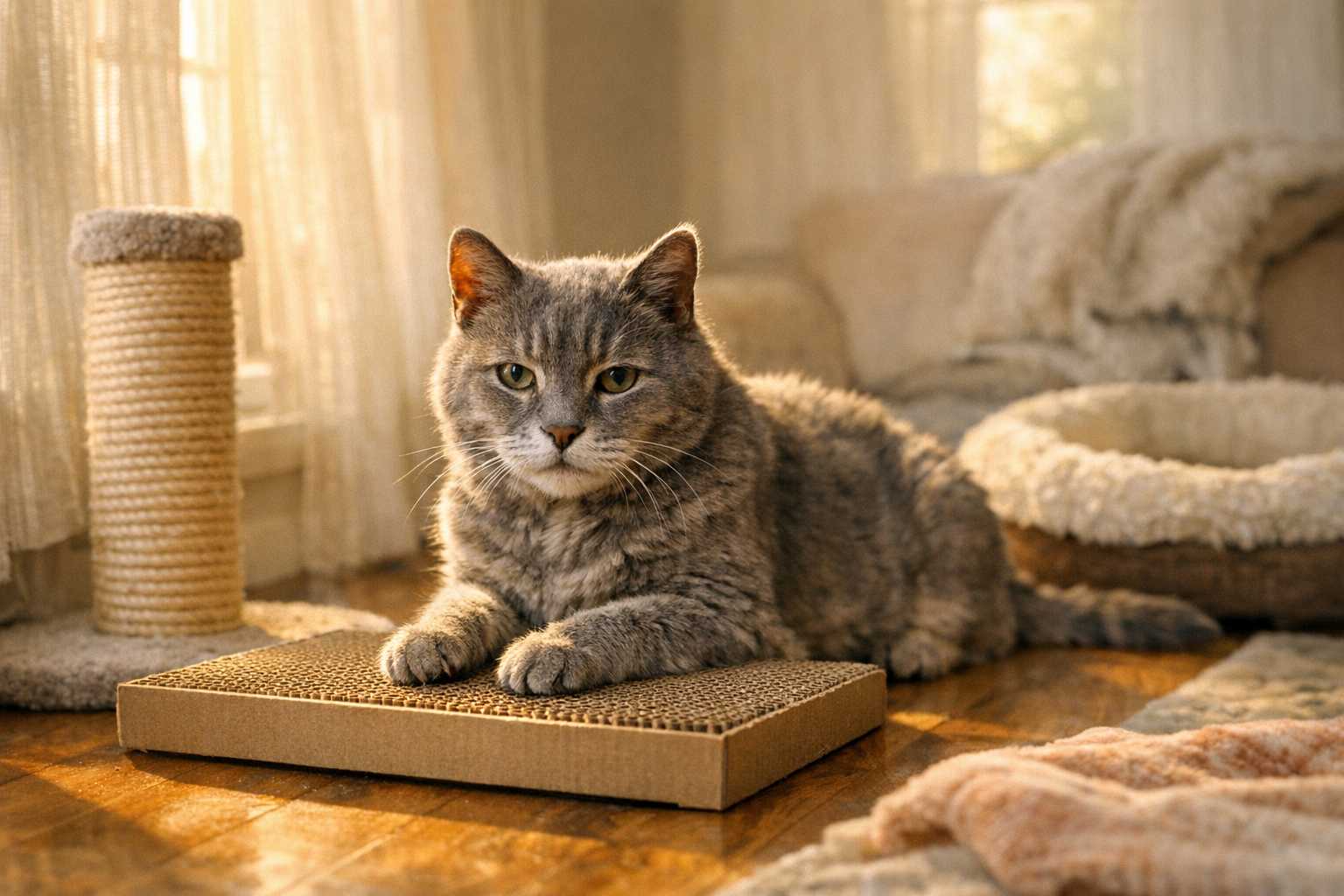
Addressing Senior Cat Scratching Challenges: A Guide Attuned to Arthritis
Seeing your elderly cat grapple with their typical scratching activities due to arthritis can be distressing. However, there are ample ways to assist your pet not just to remain comfortable, but to also preserve their inborn scratching instincts.
Recognizing the Unique Scratching Challenges Faced by Senior Cats
The scratching needs of senior cats are especially different due to stiff and painful joints. This makes reaching high spots difficult and even ordinary scratching posts might no longer be suitable.
Scratching isn't purely about claw maintenance; it's crucial for muscle stretching and territory marking too. Your aging cat still requires this natural behavior, but it may need some adjustments.
Identifying Arthritis Symptoms in Your Cat
Before exploring scratching solutions, make sure to observe the following common symptoms of arthritis:
- Hesitation to jump.
- Avoidance of high perches.
- Slow movement.
- Difficulty in grooming hard-to-reach areas.
- Changes in scratching habits.
- Stiffness post-nap.
If you observe these signs, immediately consult a veterinarian. Early intervention drastically enhances your cat's comfort.
Selecting the Suitable Scratching Post Height
Tall scratching posts for a cat suffering from arthritis can turn into hurdles. Your elderly cat requires scratching alternatives at various heights.
Opt for posts in the 18-24 inches range for adequate stretching without straining the joints. Some cats might even prefer shorter options of around 12-15 inches.
Scratching posts with several height platforms offer your cat a variety based on their comfort each day.
Ideal Scratching Surface Materials for Senior Cats
The choice of scratching surface material becomes increasingly crucial as your cat ages. Softer materials prove to be easier on sensitive paws and joints.
Carpet-covered posts offer great grip without being overly harsh. Select posts covered with tight, low-pile carpet to prevent claw snags.
Corrugated cardboard scratchers are a favorite among older cats. They're gentle on the joints and gratifying to scratch, plus they are affordable and replaceable.
Sisal fabric (not the rope type) strikes a good balance, being durable yet kinder than traditional rope surfaces.
Horizontal vs Vertical Scratching Options
With age, many cats prefer horizontal over vertical scratching since it requires less stretching and joint effort.
Horizontal scratchers can be placed conveniently at spots your cat prefers to rest, such as near their favorite resting spots or sunny windows.
Although do not entirely remove vertical options. Some cats still relish standing scratches. Make sure these scratches are easily accessible and not overly high.
Strategic Scratcher Placement in the Home
The location of a scratcher plays a key role when considering senior cat scratching solutions. Place scratchers where your cat spends most of their time.
Near areas of sleep are ideal as cats enjoy stretching after a nap. By sunny areas, to encourage scratching as this behavior is instinctive to cats. Close to food and water, to ensure ease during daily routines.
Avoid placing scratchers in hard-to-reach corners or on high shelves. Your senior cat needs easy access without having to climb or jump.
Considerations of Temperature for Cats with Arthritis
Cold weather can intensify arthritis symptoms in cats. During the colder months, shift scratchers to warmer zones around the home.
Windows that allow sunlight are a perfect choice. It helps to loosen stiff joints before scratching sessions.
Some pet owners utilize safe heating pads designed for pets near areas the cat scratches. However, ensure they are specifically designed for pet use and have safety features.
Blending Scratching with Joint Support
Increase the benefits of scratching time by merging it with joint support strategies.
Gentle massages before scratching can help loosen stiff muscles. Interactive play with feather toys near scratchers stimulates natural movement.
Scratching posts having built-in ramps or steps can assist cats in reaching their preferred scratching heights without needing to jump.
Deciding When to Introduce Multiple Scratching Stations
Having scratching options throughout the house is beneficial to senior cats as it eliminates the need to roam around for a good scratch.
Begin with two or three strategically located scratchers. Monitor which ones your cat used the most and thereafter place similar options in other areas.
Multiple stations also serve as a backup option in the event of your cat developing new mobility limitations.
Maintenance of Your Senior Cat's Scratching Tools
Routine maintenance ensures that scratching surfaces continue to be attractive and safe for senior cats.
When cardboard scratchers become too worn out replace them. Vacuum carpet-covered posts weekly to remove any loose fibers. Also regularly check stability since senior cats require extra assurance.
Tipsy or unstable scratchers might discourage use and could potentially cause accidents.
Indicators Your Scratching Solution Is Effective
When your senior cat routinely and effortlessly uses their scratchers, you know you've hit the right setup.
Look for a relaxed body language during scratching. Your cat should appear comfortable and content afterward. Enhanced mobility and mood also signify positive results.
Collaboration with Your Veterinarian
Feel free to discuss any scratching-related issues with your vet during routine visits. They may suggest specific adjustments based on your cat's individual requirements.
Some cats might need joint supplements or pain management to ease scratching. Your vet will guide you towards the best overall method.
Creating a Welcoming Scratching Environment
Keep in mind, assisting your senior cat to keep their scratching routine involves more than just obtaining the right equipment. It's about acknowledging their evolving needs and adjusting accordingly.
With a perfect blend of easily accessible scratchers, strategic placement, and patience, your elderly cat can continue to relish this crucial behavior in comfort. Each minor adjustment you undertake significantly contributes to their overall life quality.
Your senior cat deserves to age gracefully while maintaining their natural behaviors. Offering them these arthritis-friendly scratching solutions will help them do just that.