Cat Acne on Black Cats: How to Spot and Treat Hard-to-See Breakouts
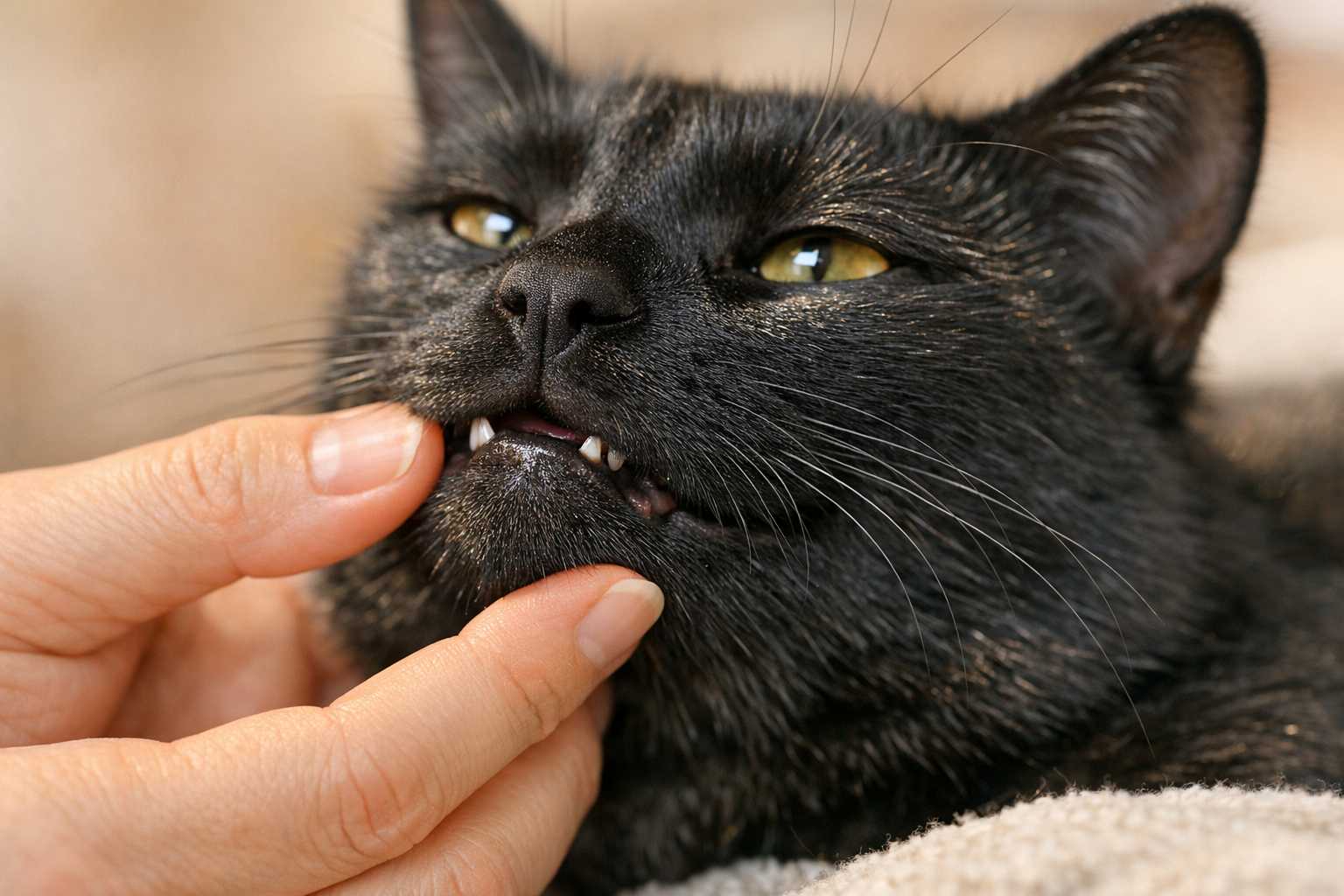
Cat Acne on Black Cats: How to Spot and Treat Hard-to-See Breakouts
SEO Slug: cat-acne-on-black-cats
Focus Keyphrase: cat acne on black cats
Meta Description: Struggling to spot cat acne on your black cat? Learn how to identify, treat, and help prevent feline acne that can be harder to see on dark fur.
If you have a black cat, it can be surprisingly easy to miss the early signs of feline acne. Because the fur and skin pigmentation are dark, blackheads, crusting, and redness may be less obvious than they are on lighter-colored cats.
The good news is that cat acne is common and, in many cases, manageable with simple care and a few practical changes at home. The key is knowing what to look for, what to feel for, and when it’s time to call your veterinarian.
This guide explains how to spot cat acne on black cats, what may cause it, how it’s usually treated, and what you can do to help prevent future flare-ups.
What Is Cat Acne?
Cat acne, also called feline acne, is a skin condition that most often affects the chin and lower lip. It happens when hair follicles become clogged with oil, dead skin cells, and debris.
In mild cases, you may notice:
- Blackheads
- Small bumps on the chin
- A dirty or crusty appearance
In more severe cases, the area can become:
- Red
- Swollen
- Painful
- Infected
Any cat can develop acne, regardless of age, breed, or coat color. However, on black cats, it can be more difficult to notice early.
Why Cat Acne Is Harder to Spot on Black Cats
On a light-colored cat, dark debris, redness, and irritation are often easier to see. On a black cat, those same changes can blend into the fur and skin.
That means feline acne may go unnoticed until it becomes more inflamed or uncomfortable. In many cases, pet owners first notice a texture change rather than a visible breakout.
For black cats especially, it helps to do both of the following:
- Look closely in bright light
- Gently feel the chin for roughness, bumps, or crusting
Sometimes your fingers will detect a problem before your eyes do.
Common Signs of Cat Acne on Black Cats
Because acne can be difficult to see on dark fur, pay attention to subtle signs.
Frequent Chin Scratching or Rubbing
If your cat is scratching at the chin more than usual or rubbing their face on furniture, irritation may be the cause. Acne can be itchy or uncomfortable, especially if the skin is inflamed.
A Dirty, Greasy, or Crusty Chin
One of the most common signs of feline acne is a chin that looks or feels dirty even after normal grooming. On a black cat, this may appear as a dull, dusty, greasy, or crusty patch rather than obvious black specks.
Small Bumps Under the Fur
You may be able to feel tiny raised bumps along the chin even if you cannot clearly see them. These can feel rough, uneven, or slightly gritty.
Swelling or Tenderness
If the chin looks puffy or your cat resists being touched there, the acne may be more advanced or infected.
Hair Thinning or Hair Loss
Ongoing inflammation can lead to thinning fur or small bald patches on the chin.
Redness, Scabs, or Pus
If you gently part the fur in good lighting, you may notice redness, scabbing, or pimple-like lesions. In more serious cases, there may be discharge or pustules.
What Causes Cat Acne?
The exact cause of feline acne is not always clear, but several factors may contribute.
Excess Oil and Clogged Follicles
Like people, cats produce skin oils. When those oils collect along with dead skin cells and debris, the follicles can become blocked.
Plastic Food or Water Bowls
Plastic bowls are often linked to feline acne. They can develop tiny scratches that trap bacteria and are harder to fully sanitize. For many cats, switching to stainless steel or ceramic bowls helps.
Grooming Limitations
Some cats do not clean the chin area thoroughly, especially if they are older, overweight, or have dental pain or mobility issues.
Stress
Stress does not directly “cause” acne in every cat, but it may contribute to skin flare-ups in some individuals.
Allergies or Skin Sensitivities
Food sensitivities, environmental allergies, or contact irritation may worsen chin inflammation and mimic or contribute to acne.
Secondary Bacterial Infection
Once the skin is irritated, bacteria can overgrow and make the condition more severe.
How to Treat Mild Cat Acne at Home
Mild feline acne often improves with gentle home care. However, avoid aggressive scrubbing or using random skin products, since that can make irritation worse.
Switch to Stainless Steel or Ceramic Bowls
If your cat uses plastic bowls, replacing them is one of the simplest and most helpful steps. Wash food and water bowls daily with hot, soapy water.
Gently Clean the Chin
Use a soft, damp cloth to wipe the chin, especially after meals if food tends to stick there. This helps remove oil, residue, and debris before they build up.
Ask Your Vet About Antiseptic Wipes
A veterinarian may recommend cat-safe antiseptic wipes or cleansers, such as chlorhexidine-based products, for mild acne. Use only products your vet approves, since some ingredients that are safe for humans can irritate cats or be harmful if licked.
Use Warm Compresses if Recommended
A warm compress may help soften crusting and soothe mild inflammation. Hold it gently against the area for a few minutes if your cat tolerates it.
Do Not Squeeze the Lesions
It may be tempting to pick at blackheads or squeeze bumps, but this can damage the skin, increase pain, and worsen infection.
When to See a Veterinarian
Home care is best reserved for mild cases. You should contact your vet if:
- The chin is swollen, painful, or bleeding
- There are open sores, pustules, or discharge
- The acne seems to be spreading
- Your cat is avoiding food because the chin hurts
- The area looks infected
- The problem keeps coming back
- Home care is not helping within 1 to 2 weeks
A veterinarian can also confirm that it really is acne and not another condition, such as:
- Ringworm
- Mange
- Allergic dermatitis
- Eosinophilic granuloma complex
- Dental-related skin inflammation
That distinction matters, because different skin problems can look similar but require different treatment.
Veterinary Treatments for Cat Acne
If the acne is moderate to severe, your vet may recommend medical treatment.
Topical Medications
These may include prescription antibacterial or antiseptic products designed to reduce bacteria and inflammation on the skin.
Oral Antibiotics
If there is a deeper bacterial infection, your veterinarian may prescribe oral antibiotics.
Medicated Cleansers
In some cases, vets may suggest products formulated to reduce oil and unclog follicles. These should only be used under veterinary guidance, as some ingredients can be too harsh for certain cats.
Anti-Inflammatory Medication
For severe inflammation, a vet may prescribe medication to reduce swelling and discomfort.
Allergy or Diet Investigation
If acne is recurrent or accompanied by other skin issues, your vet may explore food allergies, environmental triggers, or other underlying causes.
How to Help Prevent Cat Acne From Returning
Once your cat’s skin improves, a few consistent habits can reduce the risk of future breakouts.
Clean Bowls Every Day
Wash food and water bowls daily, and avoid scratched or damaged dishes that are difficult to sanitize.
Keep the Chin Clean
A gentle wipe after meals can help if your cat tends to get food or moisture on the chin.
Monitor for Early Changes
With black cats, regular checks matter. During petting or cuddle time, gently feel the chin for bumps, crusting, or rough texture.
Stay Up to Date on Vet Visits
Routine checkups can help catch skin issues early and rule out underlying problems if the acne keeps returning.
Support Overall Health
Good nutrition, dental care, grooming support, and a low-stress environment can all help support healthy skin.
A Helpful Tip for Black Cat Owners
Because cat acne on black cats can be so easy to miss, try making a quick chin check part of your normal routine. You do not need to overdo it. Just gently look and feel the area every so often in good light.
Catching acne early usually makes it much easier to manage.
Final Thoughts
Cat acne on black cats can be difficult to see, but it is usually not difficult to manage once you know the signs. A rough or dirty-feeling chin, small bumps, swelling, or repeated scratching may all point to a breakout.
Start with simple steps like switching away from plastic bowls, keeping the chin clean, and monitoring for changes. If the area looks painful, infected, or does not improve, your veterinarian can help with diagnosis and treatment.
With a little attention and the right care, your black cat can stay comfortable, healthy, and breakout-free.
If your cat has recurring chin irritation, it’s always worth checking with your veterinarian to make sure you’re dealing with acne and not another skin condition.