Cat Acne Scars: Healing and Prevention After Severe Chin Breakouts
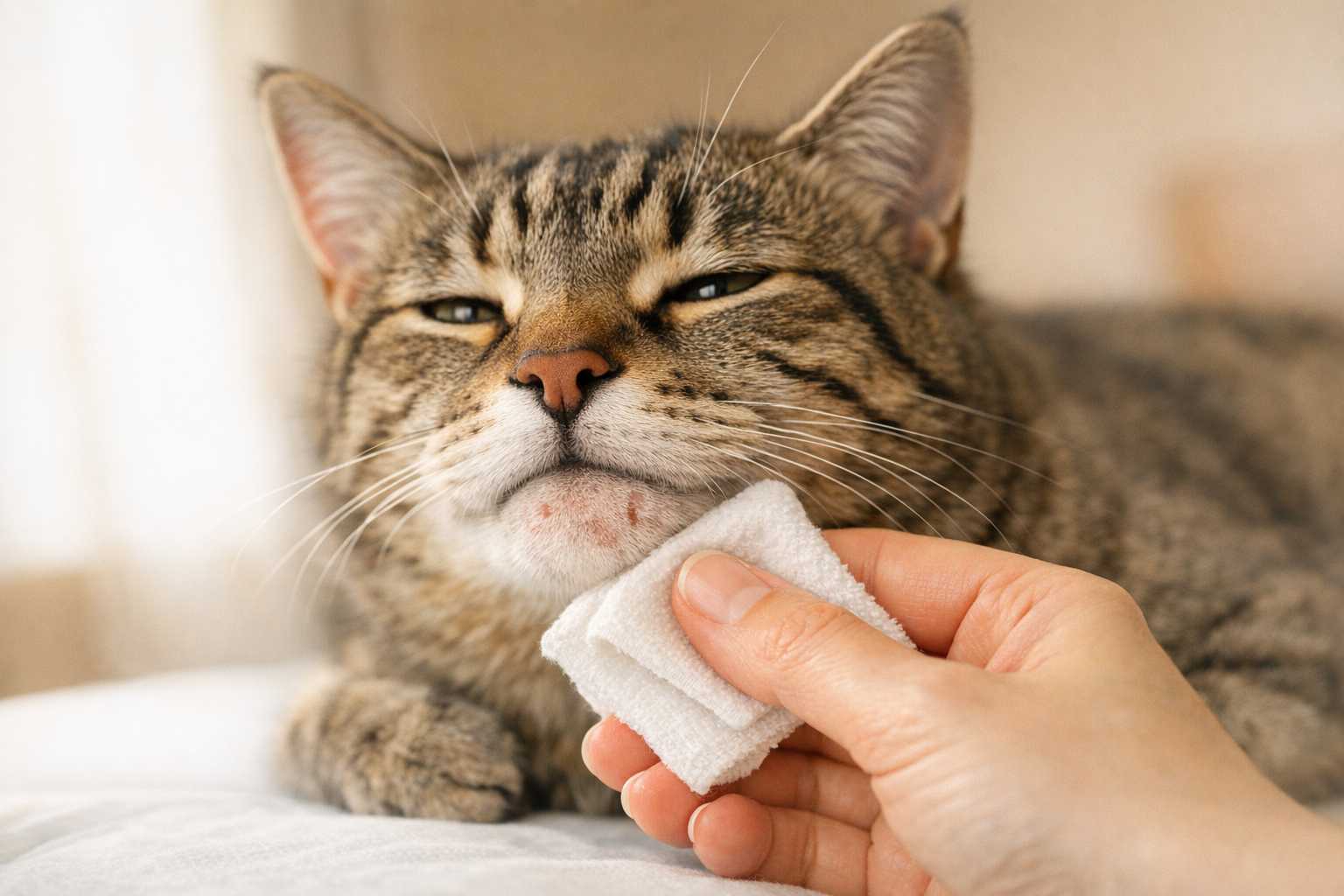
Cat Acne Scars: Healing and Preventing Scars After Severe Chin Breakouts
SEO Slug: cat-acne-scars-healing-prevention-chin-breakouts
Focus Keyphrase: cat acne scars
Meta Description: Concerned about cat acne scars after a severe chin breakout? Learn how to support healing, prevent future flare-ups, and know when to see your vet.
If you’ve noticed dark spots, rough skin, or patchy fur on your cat’s chin after a breakout, you’re not imagining it. Cat acne is fairly common, and in more severe cases, it can leave behind lasting skin changes that look like scars.
The reassuring part is that, with the right care, many cats heal well. Even better, there are simple steps you can take to lower the risk of future flare-ups and reduce the chances of more scarring.
Let’s look at what cat acne scars are, how to recognize them, and what you can do to help your cat recover comfortably.
What Is Cat Acne, and Can It Cause Scars?
Cat acne usually appears on the chin and sometimes around the lips. It may start as tiny blackheads, then progress to red bumps, crusting, swelling, or even pustules if the area becomes inflamed or infected.
Mild cat acne often improves with better hygiene and routine care. But when inflammation is deep, repeated, or complicated by infection, the skin can be damaged enough to leave scars or permanent thickening.
Scarring is more likely when:
- Acne is left untreated for too long
- The chin becomes infected
- Your cat rubs or scratches the area repeatedly
- The skin is irritated over and over again
- Breakouts keep coming back
Not every severe breakout leaves a scar, but the risk goes up when the skin stays inflamed for a long time.
What Cat Acne Scars Can Look Like
Scars do not always look dramatic. In some cats, the changes are subtle. In others, they’re easier to see or feel.
Possible signs of cat acne scarring include:
- Darker or lighter skin on the chin
- Thickened, rough, or leathery skin
- Small areas of hair loss or uneven fur regrowth
- An irregular or bumpy skin texture
- Mild pitting or shallow indentations in more severe cases
It’s also important to know that not every mark is a scar. Ongoing acne, infection, swelling, or secondary skin conditions can look similar. If you’re unsure, your veterinarian can tell the difference.
See Your Vet Before Treating It at Home
This should be your first step.
Cat acne can resemble several other skin problems, including:
- Fungal infections such as ringworm
- Mites or mange
- Allergic skin disease
- Eosinophilic granuloma complex
- Bacterial skin infections
- Trauma or irritation from rubbing
Your vet can examine the area, confirm whether it’s cat acne, and decide whether there is still active inflammation or infection. That matters, because a true scar won’t be treated the same way as an active breakout.
Your veterinarian may:
- Confirm the diagnosis
- Check for infection or other underlying causes
- Recommend safe cleansers or medications
- Advise you on home care
- Tell you whether the skin changes are likely temporary or permanent
If the chin looks swollen, painful, oozing, or crusted, don’t wait to have it checked.
How to Support Healing After a Severe Breakout
Once your vet has evaluated your cat and recommended a plan, these steps can help support healing.
Keep the Chin Clean, but Be Gentle
Gentle cleaning can help remove oil, debris, food residue, and surface bacteria.
You can use:
- A soft cloth with warm water
- A vet-approved antiseptic wipe or cleanser
- A product specifically recommended by your veterinarian
Avoid scrubbing. The skin on the chin can be tender, especially after a bad flare-up. Cleaning too aggressively may make irritation worse.
For many cats, a gentle wipe once daily or as directed by the vet is enough.
Use Only Vet-Recommended Treatments
Your vet may suggest or prescribe topical treatment if the area is still inflamed or prone to infection.
Depending on the case, this may include:
- Chlorhexidine-based cleansers
- Benzoyl peroxide products made for pets
- Topical or oral antibiotics if infection is present
- Anti-inflammatory medication in selected cases
A very important note: do not use human acne creams or home skincare products on your cat unless your vet specifically tells you to. Many common ingredients, including essential oils, salicylic acid products, retinoids, and some antibiotic ointments, may irritate the skin or be unsafe if licked.
Prevent Rubbing and Scratching
If your cat keeps rubbing their chin or scratching at the area, healing can take much longer and scarring may worsen.
Helpful options include:
- Keeping nails neatly trimmed
- Using an e-collar if your vet recommends it
- Reducing anything that seems to trigger rubbing, such as dirty bowls or chin irritation
- Offering enrichment and play to distract from overgrooming
The goal is to protect the area while it settles down.
Support Overall Skin Health
Healthy skin heals better. While no diet can “cure” cat acne scars, good general care helps recovery.
Focus on:
- A balanced, high-quality cat food
- Plenty of fresh water
- Regular veterinary checkups
- Managing underlying allergies or skin issues if present
- Keeping your cat at a healthy weight and low stress level
If your cat has repeated chin problems, ask your vet whether there may be an underlying trigger, such as allergies, grooming difficulty, or chronic bacterial overgrowth.
Do Cat Acne Scars Go Away Completely?
Sometimes. It depends on how severe the original breakout was and how deeply the skin was affected.
In mild cases, discoloration and roughness may fade over time. In more severe cases, some changes can be long-lasting or permanent, especially if there was significant infection, swelling, or repeated trauma to the area.
Possible outcomes include:
- Skin gradually returning close to normal
- Mild discoloration that remains
- Thickened skin that improves but does not fully disappear
- Fur growing back unevenly, or not fully regrowing in that spot
The good news is that most cats are not bothered by the cosmetic appearance of a scar. What matters most is that the skin is no longer painful, infected, or actively inflamed.
How to Help Prevent Future Cat Acne Breakouts
Preventing new flare-ups is one of the best ways to reduce the risk of additional scarring.
Switch Away From Plastic Bowls
Plastic food and water bowls can trap bacteria and may irritate the skin in some cats.
Instead, use:
- Stainless steel bowls
- Ceramic bowls with an intact glaze
Wash them thoroughly and replace chipped or scratched bowls when needed.
Wash Food and Water Bowls Every Day
Even good bowls need regular cleaning. Food residue and saliva create an ideal environment for bacteria.
Wash bowls daily with hot water and mild soap, then rinse well.
Wipe the Chin After Meals if Needed
Some cats leave food or moisture on their chin, especially after wet food meals.
A quick, gentle wipe with a damp cloth can help keep pores from clogging and reduce irritation.
Keep Bedding and Resting Areas Clean
Cats rub their face on blankets, beds, cat trees, and furniture. If those surfaces are dirty, oils and bacteria can keep cycling back onto the skin.
Wash bedding regularly using a mild, fragrance-free detergent when possible.
Watch for Early Signs of a Flare-Up
Check your cat’s chin now and then, especially if they’ve had acne before.
Early signs include:
- Small black specks
- Mild redness
- Greasy or dirty-looking skin on the chin
- Tiny bumps or crusting
Catching a breakout early often makes it easier to control and may help prevent severe inflammation.
Reduce Stress and Address Underlying Issues
Stress does not directly cause cat acne, but it can affect overall health and grooming habits. Some cats also have recurring skin issues linked to allergies, sensitivity, or other medical conditions.
A stable routine, a clean environment, and regular veterinary care can all help.
Are Natural Remedies Safe?
Be careful here.
You may see suggestions online for coconut oil, aloe vera, witch hazel, diluted essential oils, or herbal treatments. Even products labeled “natural” can irritate your cat’s skin or be dangerous if licked off during grooming.
Because cats groom so thoroughly, anything applied to the chin may be swallowed. That’s why it’s safest to check with your vet before trying any home or natural remedy.
In general, “natural” does not always mean “safe for cats.”
When to Return to the Vet
Some cases improve quickly. Others need follow-up care.
Contact your vet if you notice:
- The chin looks more red, swollen, or painful
- There is bleeding, pus, or discharge
- Your cat stops eating comfortably
- The area feels warm or develops a bad odor
- Scabs keep returning
- Hair loss spreads
- Home care does not seem to help
- The “scar” starts changing in appearance
If something seems off, it’s worth rechecking. Ongoing inflammation can look like scarring, and persistent skin changes sometimes need more treatment than expected.
Final Thoughts
Cat acne scars can look worrying, especially after a severe breakout, but they’re often manageable. The most important things are getting the right diagnosis, treating any active inflammation or infection early, and keeping the chin clean without overdoing it.
Some scars fade with time. Some do not fully disappear. Either way, your focus should be on keeping your cat comfortable, preventing future flare-ups, and working with your vet if the problem keeps coming back.
A little patience and a consistent care routine can make a big difference.
If you have any concerns about your cat’s skin, always consult your veterinarian. Every cat is different, and the safest treatment plan is one tailored to your pet.