Cat Acne Stages: From Blackheads to Severe Inflammation Guide
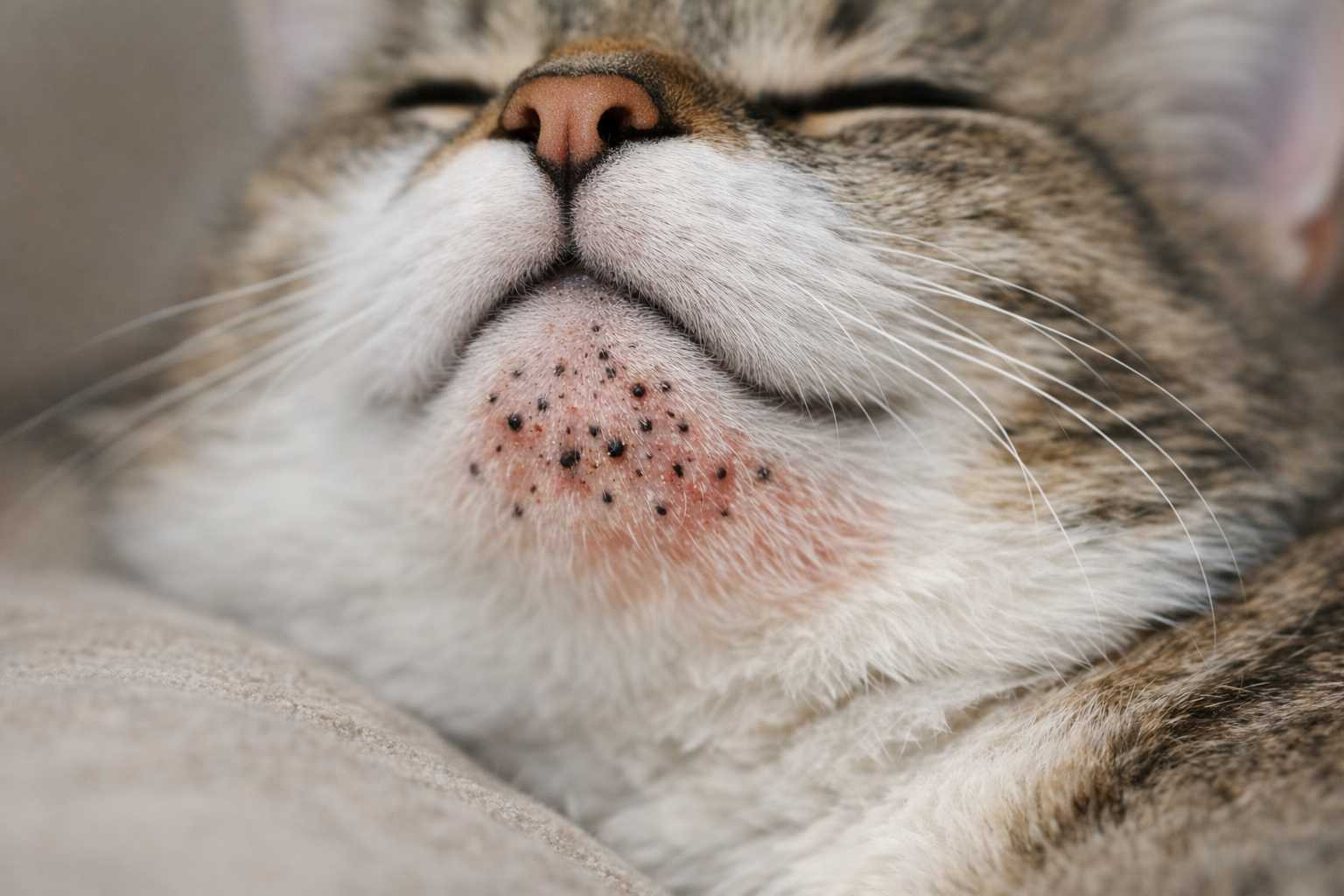
Cat Acne Stages: From Blackheads to Severe Inflammation
SEO Slug: cat-acne-stages-blackheads-to-severe-inflammation
Focus Keyphrase: cat acne stages
Meta Description: Learn the different cat acne stages, from mild blackheads to severe inflammation. Discover the signs, causes, treatment options, and prevention tips in this practical guide.
Noticed small black specks on your cat’s chin? It can be alarming at first, but cat acne is a common condition and, in many cases, it can be managed successfully.
This guide explains the main cat acne stages, what they look like, what may cause them, and when home care is reasonable versus when a veterinary visit is important.
What Is Cat Acne?
Cat acne is a skin condition that most often affects the chin and, less commonly, the lower lip. It develops when hair follicles become clogged with oil and debris. This can lead to blackheads, small inflamed bumps, pustules, and, in more severe cases, deeper infection and swelling.
Cats of any breed, age, or sex can develop acne. Some cats experience only mild, occasional blackheads, while others develop recurrent or more inflamed flare-ups.
A simple way to think about it: cat acne often starts like blackheads on the chin, but it can progress if irritation or infection develops.
What Causes Cat Acne?
The exact cause is not always clear, and in many cats it is likely multifactorial. Common contributing factors may include:
- Excess oil production
- Poor grooming or difficulty keeping the chin clean
- Friction or irritation around the chin
- Bacterial overgrowth
- Stress
- Allergies or skin sensitivity
- Secondary yeast infection in some cases
- Use of plastic food or water bowls in some cats
Plastic bowls are often mentioned because they can become scratched over time and may trap bacteria or irritants more easily than stainless steel or ceramic. While plastic is not the cause in every case, switching bowls is a simple change that may help.
Understanding the Cat Acne Stages
Cat acne often progresses gradually. Recognizing the stage can help you respond appropriately and decide whether home care may be enough or whether your cat should be seen by a veterinarian.
Stage 1: Blackheads (Comedones)
This is the earliest and mildest stage.
What it looks like
- Tiny black dots on the chin
- A chin that looks dirty or peppered with specks
- No significant redness or swelling
- Your cat usually seems comfortable
These black dots are called comedones, or blackheads. They form when follicles become plugged with sebum and dead skin cells.
What to do
- Gently wipe the area with a soft, damp cloth
- Keep food and water bowls clean
- Switch from plastic to stainless steel or ceramic bowls if needed
- Monitor the area closely for redness, swelling, or scratching
Do not squeeze or scrub the blackheads. That can irritate the skin and make the problem worse.
Mild cases at this stage sometimes improve with simple hygiene changes alone.
Stage 2: Early Inflammation
At this stage, the blackheads are no longer just cosmetic. The skin begins to look irritated.
What it looks like
- Redness around the blackheads
- Mild swelling of the chin
- Increased rubbing or scratching
- Mild sensitivity when the area is touched
This suggests that the follicles and surrounding skin are becoming inflamed. Bacteria may start contributing, although not every inflamed case is infected.
What to do
- Clean the area gently once or twice daily, if your cat tolerates it
- Use only products recommended by your veterinarian
- Continue bowl and bedding hygiene
- Watch for progression to bumps, pustules, crusting, or pain
A veterinary visit may not be urgent in every mild case, but it is wise to contact your vet if the inflammation persists, worsens, or keeps returning.
Stage 3: Papules and Pustules
This is a more advanced stage and is often uncomfortable for the cat.
What it looks like
- Small red raised bumps (papules)
- Pus-filled pimples (pustules)
- More obvious swelling
- Frequent scratching or rubbing
- Possible hair loss on the chin
At this point, the skin is more significantly inflamed and may also be secondarily infected.
What to do
A veterinary visit is recommended.
Your veterinarian may prescribe or recommend:
- Topical antiseptic treatment
- Topical antibiotics in some cases
- Oral medication if infection is more extensive
- A cleaning routine appropriate for your cat’s skin
- Measures to reduce self-trauma, such as preventing excessive scratching
Do not pop pustules or pick at the area. That can worsen pain, inflammation, and infection.
Stage 4: Severe Inflammation or Deep Infection
This is the most serious stage and should be assessed by a veterinarian as soon as possible.
What it looks like
- Marked swelling of the chin
- Crusts, discharge, or oozing lesions
- Open sores or bleeding
- Clear pain when touched
- Significant hair loss
- Lethargy or reduced appetite in more severe cases
In advanced cases, deeper infection can develop, including furunculosis, which is painful and requires prompt treatment.
What to do
Seek veterinary care promptly. Treatment may include:
- Oral antibiotics if bacterial infection is present
- Topical therapy
- Pain relief or anti-inflammatory treatment when appropriate
- Culture and sensitivity testing in recurrent or severe cases
- Investigation for underlying causes, such as allergies or other skin disease
Severe cases should not be treated with home remedies alone.
Cat Acne Stages at a Glance
| Stage | What You See | Discomfort Level | Vet Needed? | |-------|--------------|------------------|-------------| | Stage 1 | Blackheads only | Minimal to none | Usually not immediately | | Stage 2 | Redness and mild swelling | Mild | Consider if not improving | | Stage 3 | Papules and pustules | Moderate | Yes | | Stage 4 | Severe swelling, sores, discharge | High | Yes, promptly |
Can Cat Acne Go Away on Its Own?
Sometimes mild cases do improve, especially if the main trigger is local irritation and simple changes are made, such as improving bowl hygiene or switching away from plastic.
However, not every case resolves without treatment. If inflammation develops or the condition keeps coming back, veterinary guidance is important. Waiting too long can allow a mild case to become more painful and difficult to manage.
How to Help Prevent Cat Acne
Cats that have had acne once may be prone to future flare-ups. Prevention focuses on reducing irritation and keeping the area clean.
Helpful prevention tips
- Use stainless steel or ceramic food and water bowls
- Wash bowls daily
- Keep the chin clean, especially after messy meals
- Wash bedding regularly
- Reduce environmental stress where possible
- Keep up with routine veterinary care
- Follow your vet’s advice if your cat has recurring skin issues
If your cat is older, obese, or has trouble grooming, they may need a little extra help keeping the chin area clean.
When to Call the Vet
Contact your veterinarian if:
- The chin is red, swollen, painful, or warm
- You see pustules, crusting, discharge, or bleeding
- Your cat keeps scratching or rubbing the area
- The acne is not improving with gentle care
- The condition keeps coming back
- Your cat seems unwell, lethargic, or is eating less
- Lesions appear outside the chin area
It is also a good idea to call if you are unsure whether it is acne at all. Other conditions can mimic cat acne, including allergies, ringworm, mite infestations, eosinophilic granuloma complex, and other skin infections.
What Your Vet May Ask
Before the appointment, it helps to note:
- When you first noticed the problem
- Whether it has happened before
- What type of bowls your cat uses
- Any recent diet, environment, or stress changes
- Whether your cat is scratching or seems painful
- What products or treatments you have already tried
This information can help your vet narrow down possible triggers and choose the safest treatment plan.
Home Care: What May Help and What to Avoid
Many people look for home remedies first, but not everything that seems gentle is safe for cats.
Sometimes used with veterinary guidance
- Warm compresses
- Cat-safe antiseptic wipes
- Veterinary-recommended chlorhexidine products
- Other veterinarian-approved topical cleansers
Avoid
- Human acne products
- Human benzoyl peroxide unless specifically prescribed for veterinary use
- Hydrogen peroxide
- Rubbing alcohol
- Essential oils
- Squeezing, scrubbing, or picking at lesions
Cats are sensitive to many topical products, and some ingredients that are common in human skincare can irritate the skin or be harmful if licked.
Also, coconut oil is not a reliable treatment for cat acne and may worsen clogging in some cases, so it is best not to use it unless your veterinarian specifically recommends it.
Final Thoughts
Cat acne is common, and in many cats it starts as a mild chin problem that can be managed early. The key is to catch it before it progresses from simple blackheads to painful inflammation or infection.
Check your cat’s chin regularly, keep bowls clean, and avoid harsh or human skincare products. If the area becomes red, swollen, crusty, or painful, or if the problem keeps returning, involve your veterinarian sooner rather than later.
Your attention makes a real difference. Cats cannot tell us when their skin hurts, but the signs are often there if we know what to look for.
If you’d like, I can also turn this into a more polished SEO blog post format, a vet-reviewed tone version, or a warmer, more conversational version.