Cat Chin Acne: Complete Guide to Causes, Symptoms and Treatment 2024
Cat Chin Acne: Causes, Symptoms, Treatment, and Prevention
SEO Slug: cat-chin-acne-causes-symptoms-treatment
Focus Keyphrase: cat chin acne
Meta Description: Learn what cat chin acne looks like, what causes it, how to treat mild cases at home, and when to see a vet.
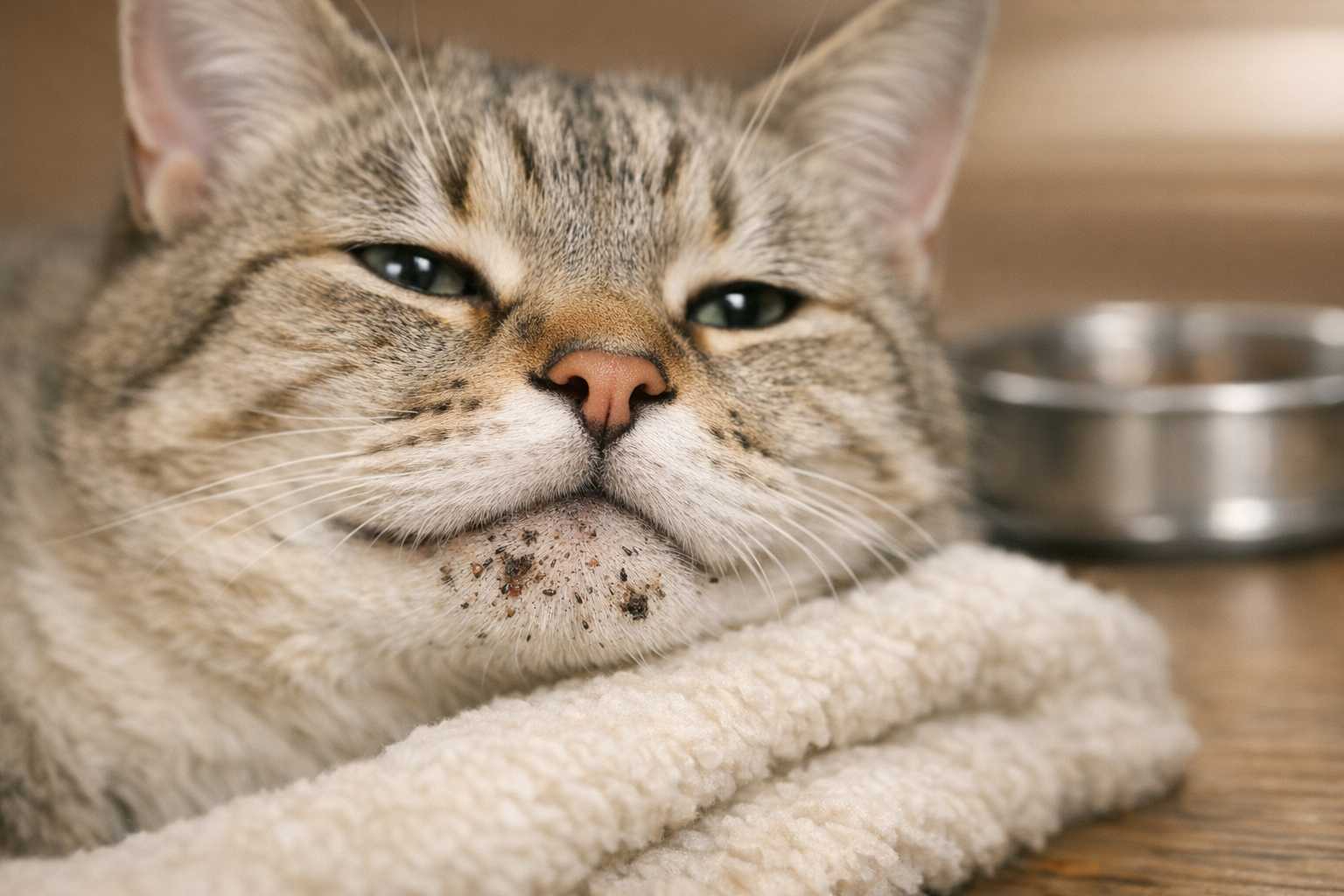
If you’ve noticed black specks, crusty patches, or irritation under your cat’s chin, cat chin acne may be the cause. While it can look worrying at first, it’s a common condition in cats and, in many cases, it can be managed successfully with simple care and good hygiene.
In this guide, you’ll learn what cat chin acne is, what causes it, how to recognize it, the safest treatment options, and when it’s time to call your veterinarian.
What Is Cat Chin Acne?
Cat chin acne is a common skin condition that affects the chin and sometimes the lower lip. It happens when hair follicles become plugged with excess oil and dead skin cells, leading to comedones, which look like blackheads.
Some cats only develop a few black specks and never seem bothered by them. Others may develop redness, swelling, infection, or painful pustules. Although the condition is usually mild, it can become more serious if it is left untreated or becomes infected.
Cat chin acne can affect cats of any breed, age, or sex.
What Does Cat Chin Acne Look Like?
Early signs can be subtle, so it helps to know what to look for. Common symptoms include:
- Black specks on the chin that resemble dirt
- Small bumps or blackheads under the chin
- Redness or mild swelling
- Crusty, scabby, or greasy-looking skin
- Hair thinning or hair loss around the chin
- Sensitivity, rubbing, or scratching at the area
Because the black specks can look like debris, many owners mistake the condition for a dirty chin. If you gently wipe the area and the spots remain, acne is more likely.
How Common Is Cat Chin Acne?
Cat chin acne is very common. Veterinarians see it regularly, and it can occur in both indoor and outdoor cats. Even well-groomed, otherwise healthy cats can develop it.
So if your cat has it, you are far from alone.
What Causes Cat Chin Acne?
The exact cause is not always clear. In many cases, several factors seem to contribute at once.
Excess Oil and Follicle Blockage
The most widely accepted explanation is that the hair follicles on the chin become blocked with keratin and sebum. This leads to blackheads and, in some cats, secondary inflammation or infection.
Plastic Food or Water Bowls
Plastic bowls are often linked with chin irritation and acne-like lesions. They can develop tiny scratches that trap bacteria, and some cats may also react to the material itself. Switching to stainless steel, ceramic, or glass bowls is a simple change that often helps.
Bacteria or Yeast Overgrowth
Once follicles are clogged, bacteria or yeast may overgrow in the area, especially if the skin becomes inflamed. This can turn a mild case into a more painful or infected one.
Grooming Challenges
The chin is not the easiest area for a cat to groom thoroughly. Oil, saliva, food residue, and dead skin cells may collect there more easily than on other parts of the body.
Skin Irritation or Contact Sensitivity
Some cats may react to bowl materials, cleaning products, or other substances that come into regular contact with the skin.
Stress or General Health Factors
Stress itself is not considered a direct cause, but it may contribute to flare-ups in some cats by affecting grooming habits or overall skin health. Underlying illness can also make skin problems worse.
Other Conditions That Can Look Similar
Not every chin lesion is acne. Problems such as ringworm, mites, allergies, eosinophilic granuloma complex, bacterial skin infection, or other inflammatory skin diseases can look similar. That is one reason a veterinary diagnosis matters, especially if the area is swollen, painful, or not improving.
Stages of Cat Chin Acne
Cat chin acne can range from barely noticeable to quite severe.
Mild
- A few blackheads or dark specks
- Little to no redness
- No obvious discomfort
Moderate
- More visible comedones
- Redness, irritation, or mild swelling
- Occasional rubbing or scratching
Severe
- Inflamed bumps, pustules, or sores
- Crusting, bleeding, or discharge
- Hair loss and obvious discomfort
- Possible secondary bacterial infection
If your cat’s chin is swollen, bleeding, painful, or oozing, it is best to see a veterinarian promptly.
How Veterinarians Diagnose Cat Chin Acne
A veterinarian will usually begin with a physical exam and a close look at the skin. In many mild cases, the appearance and location are strongly suggestive of chin acne.
If the condition is severe, recurrent, or unusual, your vet may recommend tests such as:
- Skin cytology to look for bacteria or yeast
- Skin scraping to check for mites
- Fungal testing or culture if ringworm is a concern
- Biopsy in rare or persistent cases
A biopsy is not routine for simple feline acne, but it may be useful when the diagnosis is uncertain or the condition is not responding as expected.
How to Treat Mild Cat Chin Acne at Home
Mild cases often improve with gentle home care. The goal is to keep the area clean, reduce irritation, and remove possible triggers.
Switch Bowls
Replace plastic bowls with stainless steel, ceramic, or glass. Wash food and water bowls daily with hot water and mild soap, and rinse them well.
Clean the Chin Gently
Use a soft cloth or gauze pad dampened with warm water to gently clean the chin once or twice a day. Be careful not to scrub, as irritated skin can worsen with friction.
Ask Your Vet About Cat-Safe Cleansers
Some veterinarians recommend chlorhexidine-based wipes or solutions for mild cases, but they should be used only as directed. Products that are safe for people are not automatically safe for cats.
Keep the Area Dry
After cleaning, gently pat the chin dry. Constant moisture can irritate the skin and encourage bacterial overgrowth.
Trim Fur if Your Vet Recommends It
In some cats with recurring chin issues, keeping the area neatly trimmed may help reduce buildup. This should be done carefully and only if your cat tolerates it.
Important: Do Not Use Human Acne Products
This is one of the most important points.
Do not use over-the-counter human acne treatments on your cat unless your veterinarian specifically tells you to. Ingredients such as benzoyl peroxide, salicylic acid, retinoids, tea tree oil, and alcohol-based products can irritate the skin or be unsafe if your cat licks them.
Even products sometimes used in veterinary medicine must be properly diluted or specifically formulated for pets.
Veterinary Treatment for More Serious Cases
If the acne is moderate to severe, infected, painful, or keeps coming back, your veterinarian may recommend medical treatment.
Depending on the case, treatment may include:
Topical Medications
Your vet may prescribe medicated wipes, antiseptic cleansers, or topical antibiotics.
Antibiotics
If there is a bacterial infection, oral or topical antibiotics may be needed. These should always be used exactly as prescribed.
Anti-Inflammatory Medication
In some cases, your vet may prescribe medication to reduce swelling and discomfort.
Treatment for Underlying Causes
If your cat has allergies, mites, ringworm, or another skin condition, the underlying problem must be treated for the chin lesions to improve.
Long-Term Management
Some cats are prone to recurring flare-ups and may need an ongoing skin-care routine rather than a one-time treatment.
What Not to Do
Avoid these common mistakes:
- Do not squeeze or pop blackheads
- Do not scrub the skin aggressively
- Do not apply human acne medication
- Do not ignore worsening swelling, pain, or discharge
- Do not delay veterinary care if home treatment is not helping
Trying to “clean it off” too forcefully can make the skin more inflamed and increase the risk of infection.
How Long Does Cat Chin Acne Take to Improve?
Mild cases may begin improving within 1 to 2 weeks once the trigger is removed and the area is cleaned gently. More inflamed or infected cases can take several weeks, and chronic cases may require ongoing maintenance.
The timeline depends on:
- How severe the acne is
- Whether infection is present
- Whether the underlying trigger has been removed
- How consistently treatment is followed
If there is no clear improvement after about two weeks of appropriate home care, contact your veterinarian.
Can Cat Chin Acne Come Back?
Yes. Some cats are more prone to it than others, and flare-ups can return even after successful treatment.
That is why prevention and maintenance matter. For many cats, long-term control is as important as short-term treatment.
How to Help Prevent Cat Chin Acne
You may not be able to prevent every case, but these steps can lower the risk:
Use Non-Plastic Bowls
Choose stainless steel, ceramic, or glass bowls, and wash them daily.
Keep the Chin Clean
If your cat tends to get food or moisture trapped under the chin, a gentle wipe after meals may help.
Support Overall Skin Health
Feed a complete, balanced diet and keep up with routine veterinary care.
Reduce Irritation
Avoid harsh cleaning products near your cat’s food area, and rinse bowls thoroughly after washing.
Watch for Early Signs
A few black specks may be easy to manage. A swollen, infected chin is much harder. Early action makes a big difference.
When Should You See a Vet?
You should contact your veterinarian if:
- The chin is red, swollen, painful, or warm
- You see pus, bleeding, discharge, or open sores
- Your cat is rubbing or scratching the area constantly
- There is hair loss beyond the chin
- The condition keeps returning
- Home care has not improved it after 1 to 2 weeks
- Your cat seems unwell or stops eating normally
Any time the condition appears severe or your cat seems uncomfortable, it is safest to get professional advice.
Frequently Asked Questions
Is cat chin acne contagious?
Cat chin acne itself is not contagious. However, some conditions that resemble acne, such as ringworm, can spread to people or other pets. If you are not sure what you are dealing with, have your vet confirm the diagnosis.
Can kittens get chin acne?
Yes. Kittens can develop chin acne, although it is more commonly noticed in young adult cats. Because kittens are more delicate, it is best to check with a vet before using any treatment products.
Does cat chin acne hurt?
Mild cases may not seem painful at all. But if the area becomes inflamed or infected, it can definitely be uncomfortable.
Can I put coconut oil on my cat’s chin?
It is not generally a first-line treatment. While coconut oil is often suggested online, it can trap debris, may not help the underlying issue, and can be licked off. Ask your veterinarian before trying it.
Can both male and female cats get chin acne?
Yes. It can affect cats of either sex, whether they are neutered or not.
Final Thoughts
Cat chin acne is common, and in many cases it is manageable with simple steps like switching out plastic bowls and keeping the area gently clean. Still, not every black speck or crusty chin is truly acne, and more serious cases can become painful or infected.
The key points to remember are:
- Use stainless steel, ceramic, or glass bowls
- Clean the chin gently, not aggressively
- Never use human acne products on your cat
- See a vet if the area is swollen, painful, bleeding, or not improving
If you catch it early, most cats do very well. And if you are ever unsure, your veterinarian can help you rule out look-alike conditions and choose the safest treatment.