Why Does My Cat Keep Getting Acne? Recurring Feline Breakout Guide
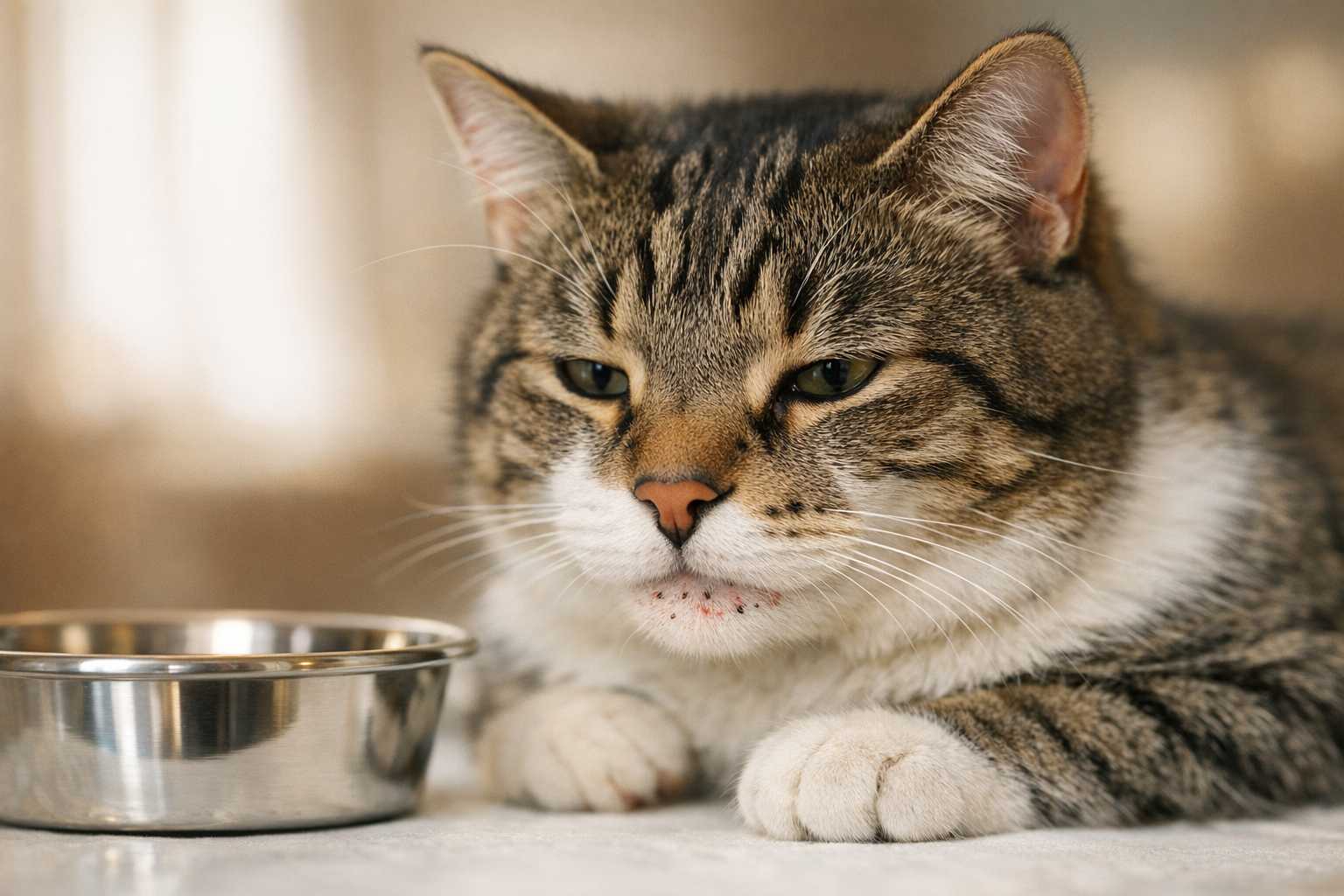
Why Does My Cat Keep Getting Acne? A Friendly Guide to Recurring Feline Breakouts
SEO Slug: why-does-my-cat-keep-getting-acne
Focus Keyphrase: cat keeps getting acne
Meta Description: Does your cat keep getting acne on their chin? Learn the most common causes of recurring feline acne, safe home care tips, prevention strategies, and when it’s time to call your vet.
You notice tiny black specks under your cat’s chin. At first, you assume it’s dirt. You wipe it away, only for it to show up again a few days later. If that sounds familiar, you’re definitely not alone.
Cat acne is surprisingly common, and for some cats, it can keep coming back. The good news is that it’s usually manageable once you identify the likely cause and build a simple care routine.
Let’s take a closer look at why your cat keeps getting acne, what you can do at home, and when a vet visit is the best next step.
What Is Cat Acne?
Cat acne is a skin condition that most often affects the chin and, less commonly, the lips. It usually starts as small black specks that look like dirt or blackheads. In some cats, it stays mild. In others, the area can become red, swollen, crusty, or infected.
Mild cases may not seem to bother your cat much. More severe cases can be itchy, painful, or sensitive to touch.
Why Does Cat Acne Keep Coming Back?
Recurring cat acne usually means an underlying trigger is still present. Sometimes the cause is simple, like the type of bowl your cat uses. Other times, it may involve grooming habits, skin irritation, infection, or stress.
Here are the most common reasons a cat keeps getting acne.
1. Plastic Bowls Can Contribute to Chin Acne
This is one of the most common and most fixable causes.
Plastic food and water bowls can develop tiny scratches over time. Those scratches can trap bacteria and residue, even when the bowl looks clean. Repeated contact between your cat’s chin and the bowl may irritate the skin and contribute to acne flare-ups.
What to do
- Switch to stainless steel, glass, or ceramic bowls
- Wash bowls daily with hot, soapy water
- Replace any bowl that is chipped, cracked, or heavily scratched
For many cats, this change alone helps reduce breakouts.
2. Oil and Dead Skin Can Build Up on the Chin
A cat’s chin is a difficult spot to clean properly through normal grooming. When oils, dead skin cells, and debris collect there, hair follicles can become blocked. That can lead to blackheads and recurring acne.
Some cats also seem naturally more prone to oily skin than others, which may make breakouts more likely.
3. Stress May Trigger Flare-Ups
Stress doesn’t directly “cause” acne in every cat, but it can play a role in skin flare-ups and grooming changes. Cats are sensitive to changes in their environment, and stress can sometimes worsen existing skin conditions.
Common stressors include: - Moving to a new home - A new pet or baby in the household - Changes in routine - Loud construction or unfamiliar noises - Conflict with other pets
If your cat’s acne seems to worsen during big changes, stress may be a contributing factor.
4. Allergies or Skin Irritation May Be Involved
In some cases, repeated chin breakouts may be linked to irritation or underlying allergies. Your cat could be reacting to something in their environment, food, or even products used around the home.
Possible triggers include: - Food ingredients - Dust or dust mites - Pollen - Cleaning sprays or detergents - Scented products - Certain fabrics or surfaces
Allergies more often cause general itchiness than acne alone, but they can still contribute to ongoing skin trouble. If you suspect this, your vet can help narrow down the cause.
5. Secondary Infection Can Keep It Going
This is an important point. Cat acne itself is not always just a simple clogging issue. In some cats, the affected follicles become infected with bacteria or yeast, which can make the condition worse and more persistent.
Signs of infection may include: - Redness - Swelling - Pus - Pain - Hair loss - A warm or tender chin
When infection is involved, home care alone may not be enough.
6. Other Skin Conditions Can Look Like Acne
Not every bump or black speck on the chin is acne. In some cases, another condition may be mimicking it or making it worse.
Your vet may want to rule out: - Bacterial folliculitis - Yeast overgrowth - Ringworm - Mites - Allergic skin disease - Eosinophilic granuloma complex in some cats
If the problem keeps returning, spreads beyond the chin, or does not improve with basic care, a proper diagnosis matters.
7. Hormones May Play a Small Role
Hormones are sometimes mentioned as a contributing factor in skin conditions, but they are not considered one of the main proven causes of feline acne. While skin oil production may vary between individuals, recurring acne is more often linked to local irritation, follicle blockage, or infection than to reproductive status alone.
So if your cat is unspayed or unneutered, hormones may play a minor role, but they are unlikely to be the whole explanation.
How to Treat Mild Cat Acne at Home
If the acne is mild and your cat seems comfortable, gentle home care may help.
Safe home care tips
- Clean the chin gently once a day or a few times a week, depending on severity
- Use a warm damp cloth to loosen debris
- Ask your vet about pet-safe antiseptic wipes or a chlorhexidine-based product
- Keep the area clean and dry
- Continue using clean, non-plastic bowls
Important:
- Do not squeeze blackheads or pimples
- Do not use human acne products
- Do not apply essential oils, alcohol, hydrogen peroxide, or harsh cleansers
These can irritate the skin further or be toxic if your cat licks them.
When to See a Vet
It’s a good idea to contact your vet if the acne is more than mild or keeps coming back despite your efforts.
See your vet if:
- The chin is red, swollen, or painful
- There is bleeding, crusting, or pus
- Your cat keeps scratching or rubbing the area
- Hair is falling out around the chin
- The lesions spread beyond the chin or lips
- Home care is not helping
- Your cat seems unwell in any other way
Your vet may recommend: - A skin exam and diagnostic testing - Topical treatment - Medicated wipes or shampoos - Antibiotics or antifungal treatment if infection is present - Guidance on long-term prevention
Can You Prevent Cat Acne from Coming Back?
In many cases, yes. Prevention usually comes down to reducing irritation and keeping the area clean.
Best prevention tips
1. Stop using plastic bowls
Choose stainless steel, ceramic, or glass instead.
2. Wash bowls every day
Food residue and bacteria build up quickly.
3. Keep the feeding area clean
Wipe down the area around the bowls regularly.
4. Gently clean your cat’s chin if needed
This can help cats that are prone to buildup.
5. Reduce stress where possible
Offer predictable routines, quiet spaces, playtime, and enrichment.
6. Stay on top of vet checkups
Recurring skin issues are easier to manage when caught early.
Does Breed Matter?
Breed can play a role, though any cat can develop acne. Cats with flatter faces, deeper skin folds, or grooming challenges may be more likely to have skin issues around the face and chin.
That said, bowl hygiene, skin sensitivity, and secondary infection are usually more important factors than breed alone.
A Quick Warning About Over-the-Counter Products
It can be tempting to use a human acne treatment, but that is not safe for cats.
Many human skincare ingredients, including benzoyl peroxide, salicylic acid, and retinoids, can irritate your cat’s skin or be harmful if ingested during grooming.
Only use products your vet recommends or products clearly labeled as safe for cats.
The Bottom Line
If your cat keeps getting acne, there is usually an underlying reason, and often it’s something manageable. Dirty or plastic bowls, buildup on the chin, irritation, stress, or infection are among the most common causes.
Start with simple changes: switch bowls, clean them daily, and keep your cat’s chin gently clean. If the problem keeps returning or looks inflamed, involve your vet sooner rather than later.
With the right care, most cats with recurring acne can become much more comfortable and have far fewer flare-ups.
Has your cat dealt with recurring chin acne? If so, what helped most? Sharing your experience may help other cat owners too.