Cat Sleep Duration Guide: How Many Hours is Normal?
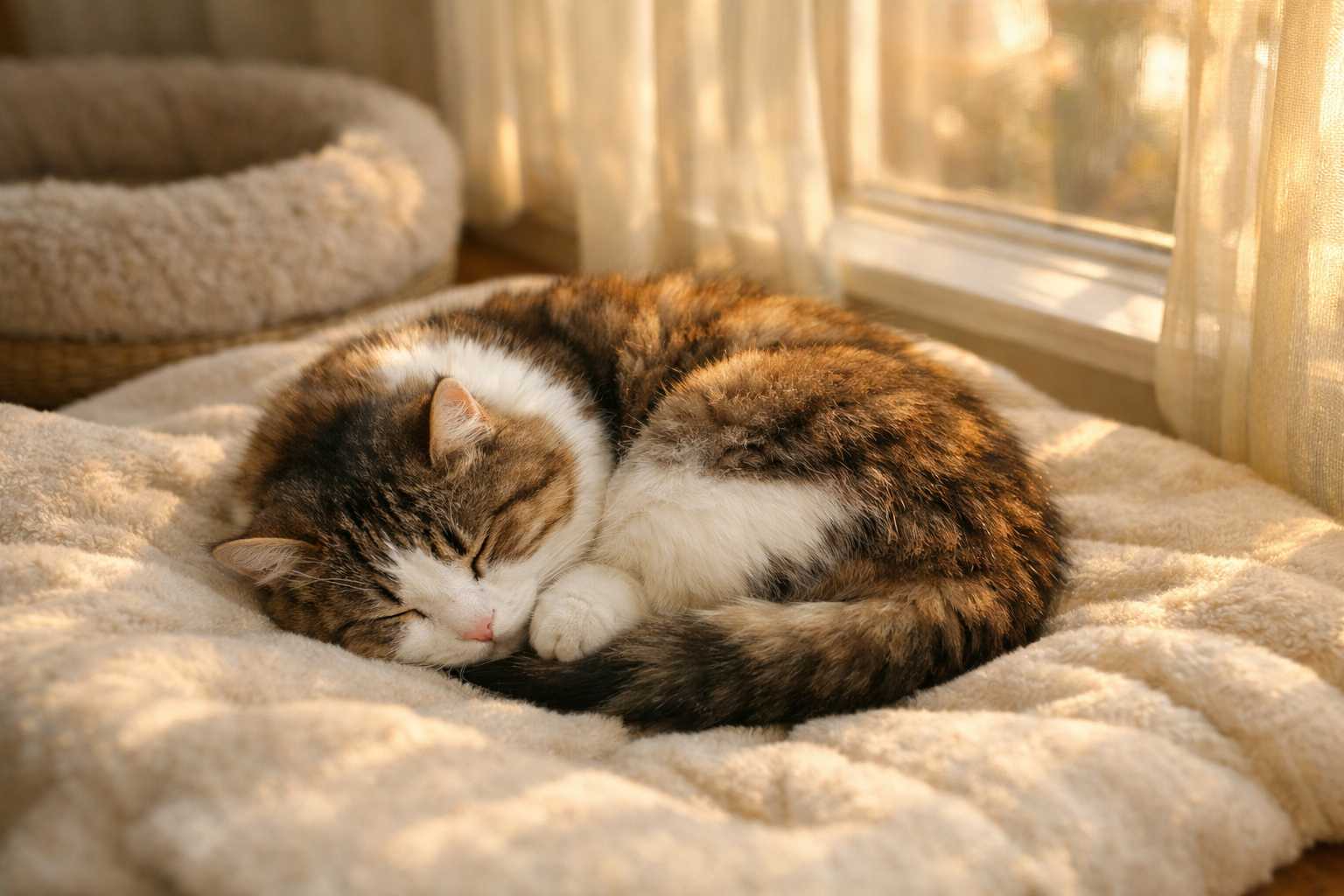
A Comprehensive Guide to Cat Sleep Duration: How Many Hours are Typical?
Have you ever wondered about your cat's seemingly endless hours of sleep? If so, you aren't alone! Many cat owners are curious about their pet's sleeping habits.
Let's explore the intriguing realm of feline sleep patterns. Understanding how much sleep your cat requires is important for keeping them healthy and content.
Daily Sleep Duration for Cats
Adult cats usually sleep anywhere from 12-16 hours a day, which equates to around two-thirds of the whole day!
This might seem disproportionate when compared with humans' sleeping patterns, but rest assured, it's perfectly standard for our feline friends.
Some cats might even indulge in up to 20 hours of sleep on particularly relaxed days, while others might squeeze by with just 12 hours if they're having an active day.
The Reason Behind Cats' Long Sleeping Hours
Cats are natural hunters with innate predatory instincts, a trait which remains even in domesticated, indoor cats.
In the wild, hunting requires intense, intermittent bursts of energy. Sleeping helps cats conserve their energy for these strenuous moments.
Just as their ancestors needed adequate rest between hunting activities, today’s domestic cats continue this pattern, albeit without needing to hunt for survival.
In addition, cats are crepuscular, meaning they are most active during twilight hours - dawn and dusk.
Aspects That Influence Cat Sleep Duration
The Role of Age
Kittens require a substantial amount of sleep - about 18-20 hours daily, as their bodies are growing and need adequate rest and energy.
Elderly felines also tend to sleep more compared to adult cats. Older cats may sleep 16-18 hours per day as their energy and activity levels decrease.
Young adult cats usually sleep the least, being in the prime of their life, they are more energetic and playful.
The Difference Between Indoor and Outdoor Cats
Indoor cats often sleep more than their outdoor counterparts due to the lack of stimuli to keep them occupied.
Outdoor cats, facing more challenges and excitement, might rest a little less.
Regardless of their lifestyle, both indoor and outdoor cats exhibit normal sleep patterns provided they feel safe in their environment.
Health and Wellness Considerations
Healthy cats usually follow consistent sleep schedules. Any sudden changes may signal health problems.
Cats under stress might sleep more or less than usual. Changes in environment can disrupt their normal patterns.
Cats suffering from illnesses often require additional rest to help their bodies recover and heal properly.
Typical Cat Sleep Patterns Throughout the Day
Cats don't sleep in one extended duration as humans do, but rather take numerous small naps throughout the day.
These naps typically last between 50-113 minutes each. Between naps, cats have alert and active periods.
Most cats are active during the early morning and evening hours which syncs with their ingrained hunting instincts.
During the middle of the day, it's common to find your cat deeply sleeping. This behavior is perfectly normal.
Light Sleep vs. Deep Sleep in Cats
Like humans, cats cycle through both light and deep sleep phases.
Approximately 75% of a cat's sleep is considered light sleep during which they stay alert to their surroundings.
You may observe your cat's ears twitching during light sleep. They're still actively monitoring for noises and movements.
The remaining 25% of their sleep is deep sleep. This is the period during which cats dream and their bodies enter a truly relaxed state.
When to Be Concerned About Your Cat's Sleep
Dramatic, sudden changes in sleep patterns should be noted. This includes sleeping notably more or less than usual.
If your usually energetic cat becomes exceedingly lethargic, get in touch with your veterinarian as this could indicate underlying health issues.
Monitor other symptoms that may accompany sleep changes: - Loss of appetite - Hiding behavior - Difficulty breathing - Unusual vocalizations
Providing The Ideal Sleep Environment
Cats favor cozy, quiet spots for their naps. Make sure to offer several comfortable sleeping areas around your home.
Soft blankets, cat beds, and sunny windowsills make perfect resting areas. Many cats also enjoy elevated sleeping spots.
Maintain a steady, stress-free environment. Abrupt changes can disrupt normal sleep patterns.
Ensure your cat has access to fresh water and food nearby to avoid unnecessary awakenings during their rest periods.
Guidelines for Healthy Cat Sleep Habits
Establish a regimen that respects your cat’s natural sleep schedule. Don’t impose activity during their regular rest times.
Provide mental and physical stimulation when they're active. Interactive toys and play sessions will help naturally tire them out.
Maintain consistent meal times. Regular feeding schedules promote healthy sleep and wake cycles.
Design quiet zones where your cat can sleep without interruption. This is especially crucial in multi-pet households.
Catering to Your Senior Cat's Sleep Requirements
Older cats often require additional comfort to ensure a good sleep. Orthopedic beds can alleviate joint pain and stiffness.
Consider providing heated beds for senior cats as older felines often struggle with temperature regulation issues.
Make sure the sleeping areas are easily accessible. Ramps or steps can help cats with mobility impairments reach their favorite spots.
Frequent veterinary checkups become increasingly important as your cat ages. Health problems can considerably impact the quality of sleep.
Conclusion
Grasping your cat's sleep requirements can help you care for them better. Remember, 12-16 hours of daily sleep is very normal.
Be vigilant of sudden changes in sleep patterns. While cats are expert sleepers, dramatic variations might signify health issues.
By creating a comfortable, stress-free environment that supports natural sleeping patterns, you're assured your feline friend will reciprocate with purrs of satisfaction.
Above all, don't be alarmed if your cat appears to sleep "too much." They're simply adhering to a pattern forged over millions of years of evolution. Leave them in peace - they've got some critical dreaming to do!