Siberian Cats: The Science Behind Their Hypoallergenic Nature
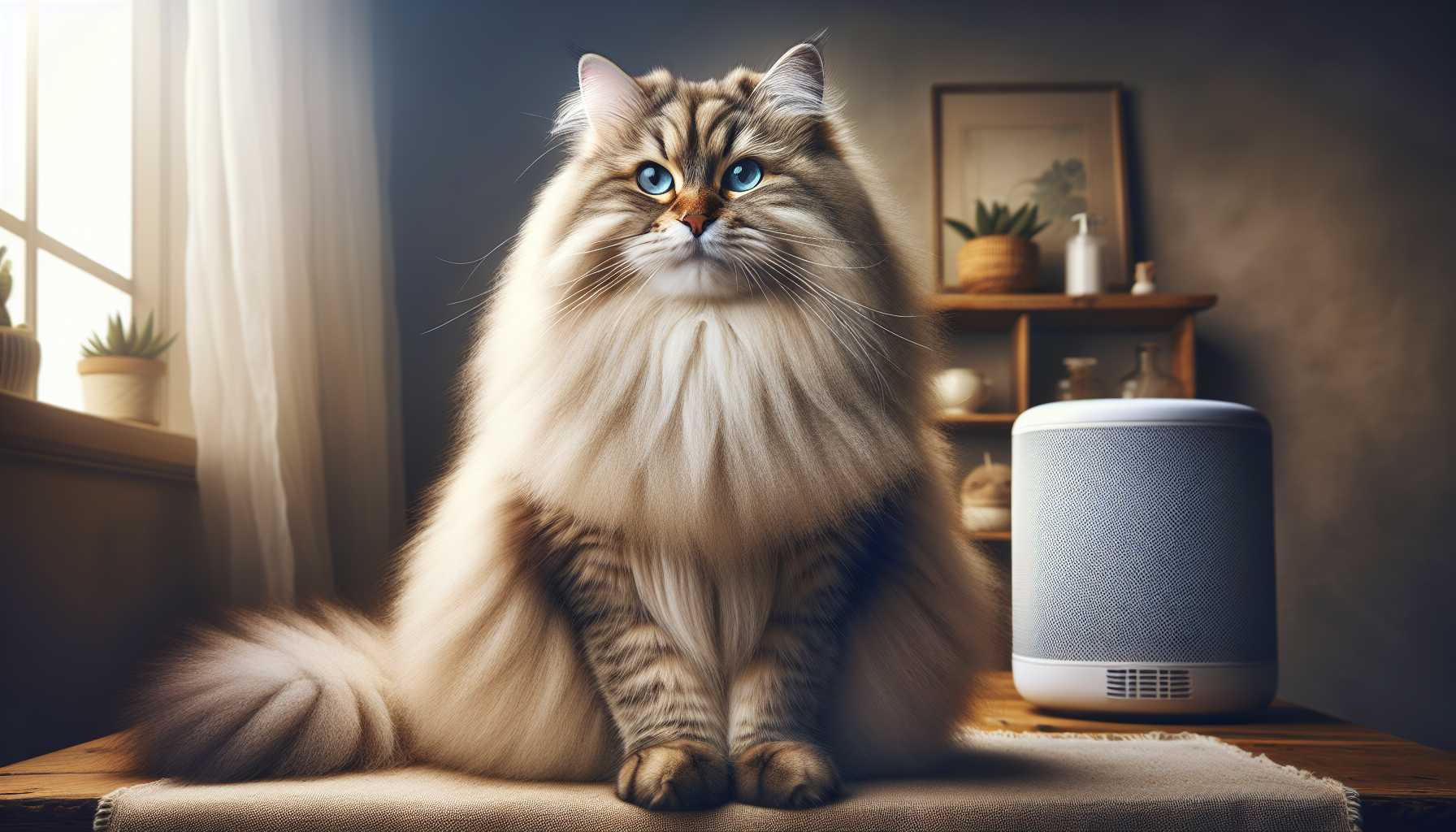
Siberian Cats: Exploring the Hypoallergenic Nature of these Felines
Why Siberian Cats can be a solution for Allergy Sufferers?
For cat lovers who're allergic, the desire to own a pet cat can be thwarted by the allergic reactions they trigger. However, Siberian cats could potentially be the solution.
Siberian cats, renowned for their fluffy and gorgeous appearance, are naturally hypoallergenic. But what does that mean? Let's explore the intriguing science behind it.
Debunking Cat Allergies: It's not about the Fur
Many attribute cat fur as the cause of allergies, but this is merely a myth. The real culprit is a protein known as Fel d 1.
This protein originates from the cat's saliva, skin, and sebaceous glands. Cats distribute this protein on their fur whilst grooming, from where it disperses into the atmosphere as tiny particles.
The immune system perceives Fel d 1 as a threat, causing a release of histamines. The histamines are responsible for triggering the telltale discomforting symptoms of an allergic reaction.
What sets Siberian Cats apart: Lower Fel d 1 Levels
Siberian cats are special as they naturally generate much less amount of Fel d 1 protein compared to other breeds.
Research indicates that Siberian cats generate approximately 50% less Fel d 1 than standard house cats. Some Siberians may produce even lesser amounts.
This significant decrease could make a considerable difference for individuals who are sensitive, enabling them to enjoy a feline presence without incessant allergic reactions.
The Genetic Perspective Behind This Natural Attribute
Experts suggest this distinguishing feature is inheritable and has its roots in the breed's genetics. Over centuries, Siberian cats have evolved in the severe climates of Russia.
Their bodies have acclimated to endure these harsh conditions, a process which likely has a bearing on protein production.
Although the exact genetic component is currently under investigation, we are certain that this trait can be transmitted across generations.
Female vs Male Siberians: Does Gender have a Role?
Interestingly, the production of allergens varies as per gender. Female Siberian cats typically generate even smaller quantities of Fel d 1 compared to their male counterparts.
Intact male cats lead the pack in terms of allergen production. However, neutering can bring down these levels significantly in male Siberians.
If you are extremely sensitive to allergies, it would be prudent to opt for a neutered female Siberian as she is highly likely to produce the minimum possible allergen levels.
Variation among Individuals: Each Cat is Unique
It's important to note that every Siberian cat does not produce equivalent low levels of Fel d 1. Variations exist within the breed itself.
Some Siberians may generate negligible amounts of this protein, while others could produce relatively more, albeit still less than regular domestic cats.
Prior to adoption, preferably spend some time with the cat you're contemplating to adopt. Observe how your allergies respond to the interaction with the particular feline.
Conducting Fel d 1 Level Tests
Certain Siberian breeders facilitate allergen testing, enabling them to measure Fel d 1 levels in their cats' saliva or fur.
This testing aids in matching highly sensitive individuals with cats that produce the least allergens. Although not mandatory, it can prove beneficial.
Bear in mind that these levels can fluctuate over time owing to factors such as stress, diet, and general health, as they can impact protein production.
Beyond Genetics: Additional Factors that Contribute
Siberian cats possess other characteristics that can help in reducing allergic reactions. The structure of their coat may possibly trap allergens differently than other breeds.
Frequent grooming can also aid in minimizing airborne allergens. Many Siberian cat owners report that weekly brushing indeed has a positive impact.
Some observe that Siberian cats appear to groom themselves less frequently than other breeds implying lesser spread of saliva on their fur.
Testimonies from Siberian Cat Owners
Many allergy-stricken individuals recount inspiring experiences with their Siberian cats. This breed often seems to be tolerable by people who couldn't deal with other breeds.
Sarah from Michigan happily shares, "I had given up on the prospect of ever owning a cat. My Siberian cat turned the tables. I hardly experience any allergic symptoms."
Tom, a resident of Florida, states that he got a Siberian cat for his daughter who loves cats but also suffers from asthma. "she hasn't shown any symptoms for the last two years," he adds.
Ensuring Optimum Allergen management in your Space
Even with a hypoallergenic Siberian cat, there are measures you can take to reduce allergens further. Regular cleaning helps keep in check any proteins that may have entered your living space.
Utilize HEPA air filters to trap airborne particles. Washing your cat's bedding regularly also aids in reducing allergen accumulation.
Ensure your Siberian cat is groomed regularly and maintained healthy. Poor health or stress can cause the cat to produce more allergens than usual.
Keeping Expectations Realistic: No Cat is 100% Hypoallergenic
It's essential to maintain reasonable expectations. No breed of cat is entirely devoid of allergens.
Although Siberian cats produce significantly reduced amounts of Fel d 1, they still generate some. Thus, individuals with severe allergies might still face mild symptoms.
The silver lining is that people with moderate cat allergies typically cope very well with Siberian cats, often experiencing minimal to zero allergic reactions.
Finding the Perfect Siberian Cat for you
When seeking Siberian cats, cooperate with trustworthy breeders who understand the hypoallergenic attributes of the breed and assist you in choosing the right feline.
If feasible, inquire about the allergen levels in the parent cats. Spend some time with possible kitten options to gauge your reactions.
Consider the possibility of adopting an adult Siberian from a rescue center. You'll be able to judge accurately how your allergies respond to that particular cat.
The Joy of Owning a Feline Companion at last
For many allergy sufferers, Siberian cats have made a world of difference. The delight of having a purring companion without the accompanying symptoms is truly a game-changer.
Besides being hypoallergenic, Siberian cats make wonderful pets. They're known for their affectionate, playful, and intelligent behaviour.
Their stunning coats and piercing eyes make them beautiful additions to any family. Additionally, they're generally healthy and live long.
Conclusion: The enthralling intersection of Science and Love
The science behind the hypoallergenic nature of Siberian cats is truly intriguing. Their low Fel d 1 production brings hope to countless cat lovers plagued by allergies.
While individual experiences can vary, a large number of people discover relief with these extraordinary felines. The blend of genetics, gender discrepancies, and individual differences provides opportunities for just about everyone.
If you've been yearning to own a cat but contending with allergies, a Siberian could well be your perfect fit. With appropriate planning and realistic expectations, you could potentially bring home a feline friend.
Before adopting, remember to spend quality time with the cat. Your personal experience with the individual animal is the best indicator of suitability.