Kitten Scratching Training: Early Prevention Guide
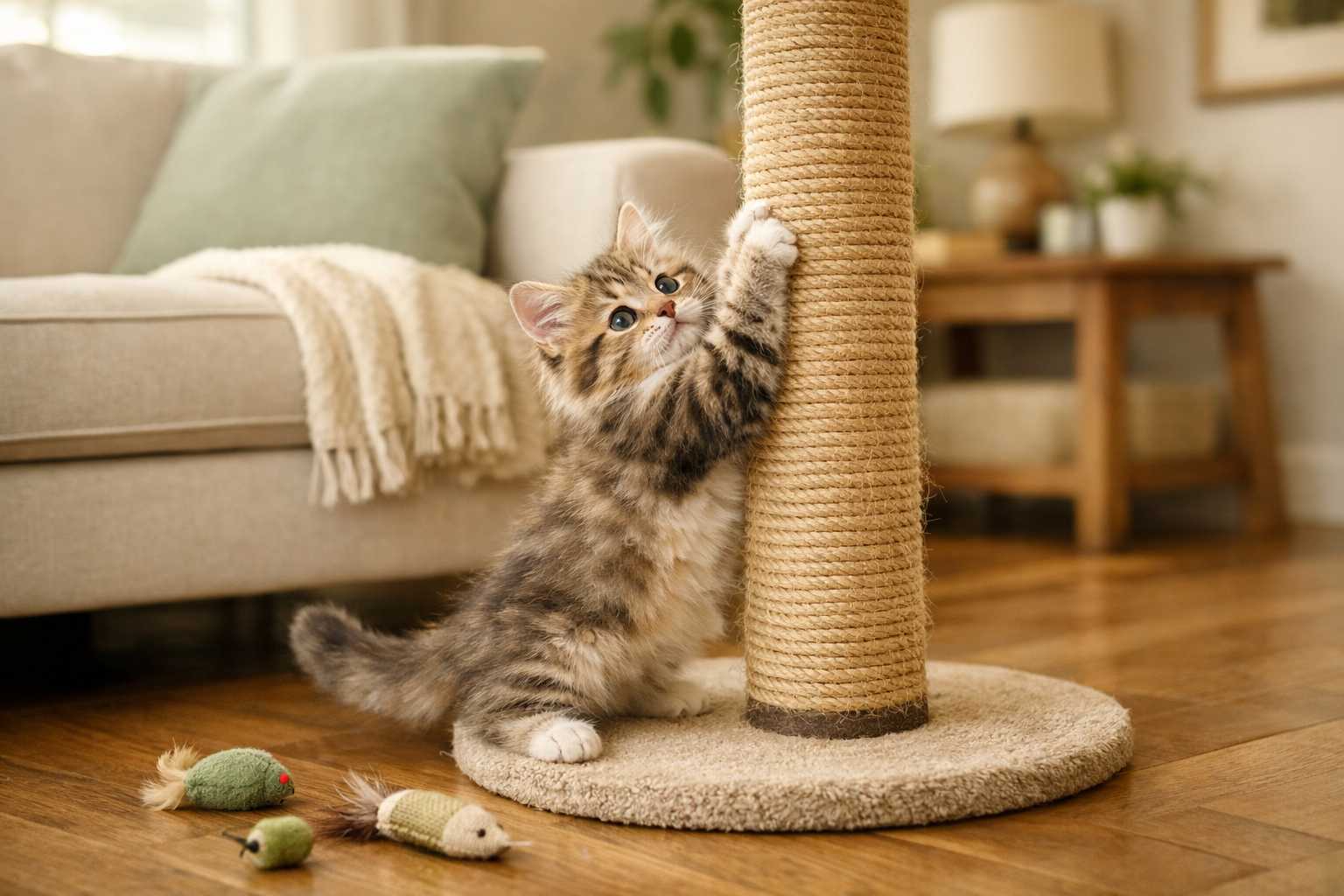
Comprehensive Guide: Preventative Kitten Scratching Training
Welcoming a new kitten into your home is an absolute joy! Their petite, soft paws and lively antics are endearing. However, when they start scratching up your furniture, it can be a bit disheartening. But fear not! You're not the lone warrior in this battle.
Facing 'the scratch challenge' is part and parcel of being a cat parent. The cheerful tidbit here? Early training can transform this challenge into a game-changing solution. Let's delve into straightforward and effective tactics to train your kitten into developing proper scratching habits.
The Psychology Behind Kitten Scratching
Scratching is not a misdemeanor for kittens, it's innate. The reasons why includes : - Shedding of old claw sheaths - Marking their territory with scent glands - Flexing muscles and tendons - Channeling emotions and energy - Keeping their claws healthy
This understanding sets a path towards working in alignment with their instincts rather than trying to counteract it.
Initiate Training Immediately
Starting as soon as you get your kitten makes training easier. Kittens are optimally receptive between 3-14 weeks old, so this period is vital for shaping their habits for a lifetime.
Don't wait until you encounter issues, always remember prevention is better than cure.
Selecting Appropriate Scratching Posts
Your kitten's scratching surface is crucial. Here's what best suits them :
The Importance of Dimensions
- The posts should be tall enough to allow a full stretch
- For adult cats, a height of at least 30 inches is necessary
- For petite kittens, shorter posts are preferable
Material Preference
- Sisal rope is a popular choice
- Corrugated cardboard
- Carpet samples
- Natural wood bark
Need for Stability
- Unstable posts discourage use
- Posts with a heavy base to avoid tipping
- Wall-mounted options can serve as great alternatives
Appropriate Placement of Scratching Posts
The location where you place your scratching posts plays a vital role in attracting your kitten to use them.
High Visibility Areas
- Near front doors
- Close to sleeping quarters
- Beside windows with a view
- In frequently occupied spaces
Multiple Posts are Better
One post may not be sufficient. Cats prefer to have options available throughout their territory
Making Scratching Posts More Appealing
Your kitten could take time before starting to use their new post. Here's how to encourage them :
Smart Catnip Utilization
- Dust the posts with dried catnip
- Rub fresh catnip leaves on the surfaces
- If they're not attracted by catnip, try silvervine
Show the Right Way
- Gently scratch your kitten's paws on the post
- You can also scratch the post (yes, really!)
- Engage in play near the scratching post area
Acknowledge Good Behaviour
- Enthusiastically praise them for using the posts
- Offer treats immediately after they finish scratching
- Ensure it's an enjoyable experience for them
Protect Your Furniture in the Meantime
While your kitten's training progresses, take preventative measures for your furniture
Effective Barriers
- Double-sided tape on furniture
- Aluminium foil on targeted areas
- Utilize plastic furniture covers
Utilize Scents as Deterrents
- Position citrus peels near the furniture
- Use commercial cat repellent sprays
- Certain essential oils can also help (avoid toxic ones)
Furnish with Protective Covers
- Transparent vinyl guards
- Decorative throws
- Scratch-resistant furniture covers
Avoid Harsh Punishment
Strong reprimanding can harm your bond with your kitten. Try not to commit these common mistakes :
- Never yell or scream
- Abstain from spraying them with water
- Avoid using shock mats
- Stay away from terrifying noises
Scolding provokes fear and stress, positive reinforcement is a far more pleasant and efficient technique.
Reroute, Don't Inhibit
When you spot your kitten scratching your furniture :
- Interrupt the behavior calmly
- Immediately guide them towards the correct post
- Encourage the use of the approved surface
- Reward cooperative behavior with praise or treats
Coherence is crucial. Ensure every family member adheres to the same strategy
Acknowledge Your Kitten's Character
There are kittens who favor horizontal surfaces, while others might prefer vertical ones. Observe their natural preferences.
Horizontal Scratchers
- Flat cardboard scratchers
- Carpet samples on the floor
- Low, tilted scratching boards
Vertical Scratchers
- Tall posts
- Door-hang scratchers
- Wall-mounted alternatives
Corner Scratchers
- L-shaped corner posts
- Wrap-around furniture protectors
- Multiple angle options
Trimming Nails Regularly Helps
Regular nail trims can lessen scratching damage. Start acclimating your kitten's paws from early on.
Beginning
- Touch their paws during peaceful moments
- Gradually extend each toe
- Trim only the sharp tips
- Use the right cat nail clippers
Maintain a Positive Atmosphere
- Give treats during the session
- Keep each session brief
- Stop if they seem distressed
- Patience is key
Common Training Errors to Steer Clear Of
Well-meaning cat parents also make mistakes. Here are a few to dodge :
Inconsistent Instructions
- Everyone should stick to the same rules
- Mixed signals can confuse kittens
- Establish clear family rules
Insufficient Post Choices
- Having just one post is insufficient
- Wrong textures can deter use
- Poor placement can lessen effectiveness
Quitting Early
- Be patient, training demands time
- Expect a few roadblocks along the journey
- Celebrate small milestones
When to Consult a Professional
Consider seeking advice from a veterinarian or a cat behaviorist when:
- Destructive scratching persistently continues after a few weeks
- Your kitten seems stressed or uneasy
- Territorial issues arise among multiple cats
- Health problems could be affecting their behavior
Effective Long-term Strategies
Establishing good habits demands a consistent commitment.
Regular Post Maintenance
- Replace worn out scratching surfaces
- Maintain cleanliness of posts
- Regularly refurbish catnip
Engage in Environmental Enrichment
- Offer plenty of mental stimulation
- Rotate toys frequently
- Create vertical climbing spaces
Consistent Positive Reinforcement
- Always appreciate the right scratching choices
- Keep patient during challenges
- Concentrate on enhancing trust
To Conclude
Patience, consistency, and understanding are key to successful kitten scratching training. Your fluffy companion wants to make you happy: they simply need lucid guidance on acceptable behaviors.
Begin early, remain upbeat, and remember every eminent cat parent had once grappled with scratching issues. You're completely capable of pulling this off!
With the correct training, your kitten will cultivate excellent scratching habits. This results in not only preserving the beauty of your furniture, but also strengthening your bond. That's a win-win scenario for everyone involved.
Remember, training is an ongoing process, not a one-time task. Enjoy witnessing your kitten evolve into a well-behaved family member.