Litter Box Training Guide: Problem-Solving Solutions
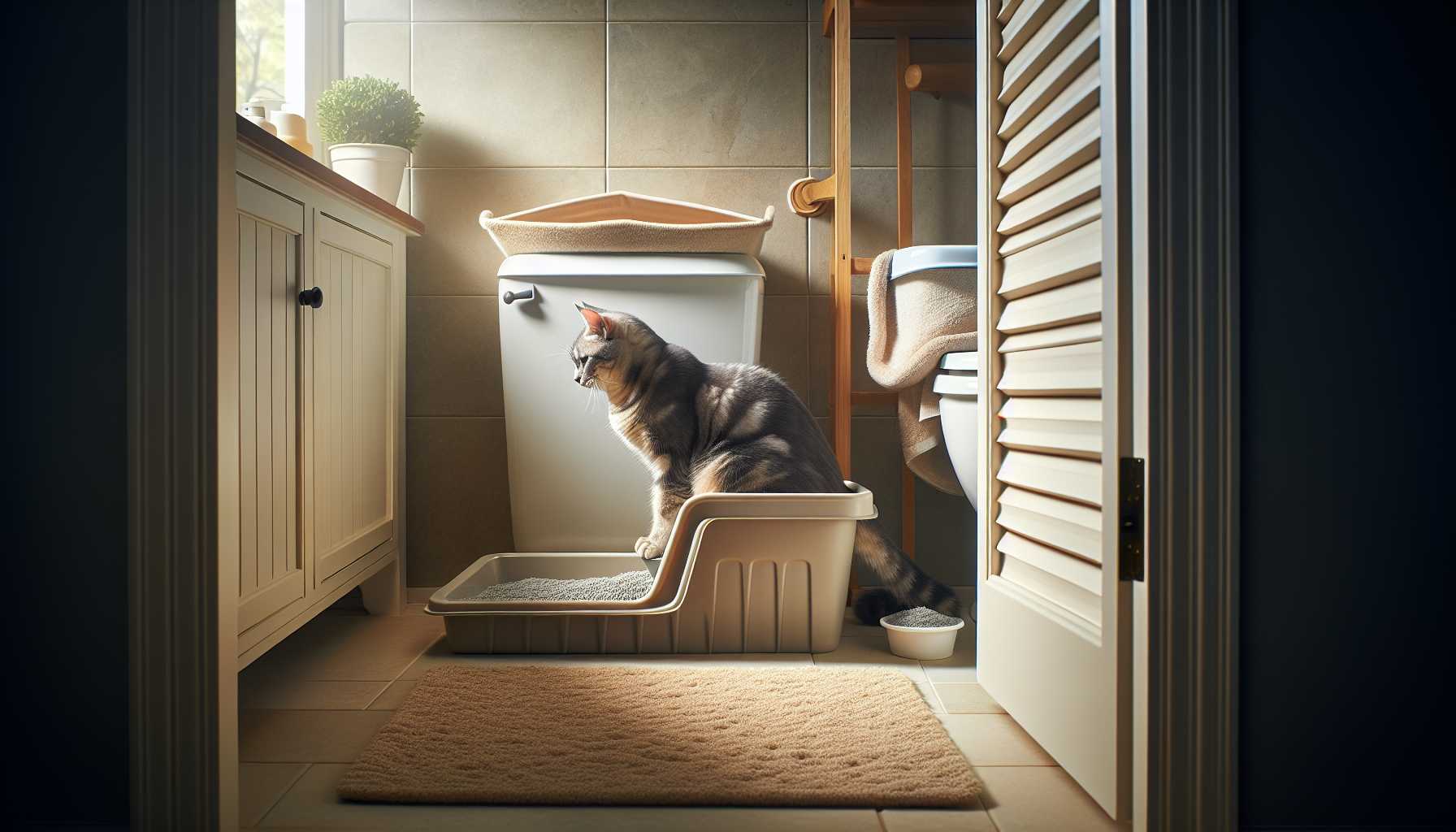
Litter Box Training Guide: Practical Solutions for Common Problems
Struggling with litter box issues with your feline? Rest assured, you're not alone. Every cat owner encounters such challenges at some point or the other.
Fortunately, most litter box related issues have uncomplicated solutions. Let's work together to understand and resolve these common problems.
Unraveling Your Cat's Natural Urges
Cats are inherently clean creatures and are inclined to use the litter box correctly.
Should accidents occur, understand that there's generally an underlying reason. Your pet cat isn't acting up just for the sake of it.
Adopt the mindset of a detective, scrutinizing potential reasons for the mishap.
The majority of issues generally fall into three broad groups: health-related problems, issues with the litter box itself, or environmental stress.
Establishing the Ideal Litter Box
Choosing the right location for your cat's litter box is vital. Opt for a tranquil, easy-to-reach area that's away from your cat's food and water bowls.
It's preferable to avoid busy areas such as hallways or laundry rooms. Like us, cats also appreciate some privacy when attending to their needs.
The litter box should also be easily accessible, with smooth entry and exit. This is especially important for older cats, who may require boxes with lower sides.
Avoid placing the box near loud appliances or machinery. The noise could startle your cat and interrupt their usage of the box.
Selecting the Appropriate Litter
All litters are not alike. The majority of cats favor unscented, clumping clay litter.
It's advisable to start with the same type of litter that the shelter or breeder used. Abrupt changes might lead your cat to avoid the litter box.
Approximately 2-3 inches of litter in the box is sufficient. An excess can feel unstable, while too little can make cleaning a hassle.
When switching to a different litter, do so in gradual stages, blending the old and new litter over several days.
The Essentials of Cleanliness
Never skip a day of scooping. Felines have keen noses and are put off by dirty litter boxes.
Perform a deep clean of the entire box on a weekly basis, using a mild soap. Strong disinfectants can leave behind odors that your cat finds unpleasant.
During a deep clean, replace all the litter in the box. Fresh litter encourages regular usage.
Try to see things from your cat's perspective. Would you be comfortable using an uncleaned washroom?
Addressing Typical Litter Box Problems
Problem: Cat Uses the Area Next to the Box
This generally points to a dirty box or the wrong selection of litter. Begin by scooping the box more often.
Examine whether the box is too small for comfort, or whether the litter is too deep. Try reducing the litter depth to about 2 inches and see if this helps.
Sometimes the problem lies with the location. Try relocating the box to a quieter, more secluded spot.
Problem: Avoids the Litter Box Altogether
First and foremost, eliminate any health-related causes. Urinary tract infections and other health issues may cause litter box avoidance.
If this behavior has come on abruptly, consider scheduling a veterinarian appointment. Pain during urination can lead to negative associations with the litter box.
Experiment with a different type of litter. Cats can develop individual preferences and sensitivities over time.
Introduce a second litter box in a distinctive location. The original spot may feel threatened to your furry friend.
Problem: Chooses Other Areas of the Home
Thoroughly clean any areas where accidents have occurred, using enzyme cleansers. Regular household cleaning agents may not completely eradicate odors that are perceptible to cats.
Temporarily obstruct access to problematic areas, using furniture or aluminum foil as deterrents.
Position your cat's food and water bowls near these areas. Cats seldom eliminate where they eat.
Make your cat's litter box more attractive than the problem areas. Ensure it's both cleaner and more accessible.
For Homes with Multiple Cats
The general rule is: one box per cat and an additional one. So, three cats would need a minimum of four litter boxes.
Place the boxes in various locations throughout your home. They should not all be in the same room.
Monitor your cats' litter box habits - some cats prefer separate boxes for urination and defecation.
With more cats, waste builds up more quickly, so clean all boxes daily.
When It's Time to Consult a Professional
New or sudden alterations in bathroom habits necessitate a visit to the vet. It's important to first rule out any health-related causes.
If you've attempted the above solutions and the problems persist, consult your vet. They may suggest seeking the help of a pet behaviorist.
Certain cats may require prescription diets or medication for urinary health, so don't hesitate to seek professional help.
Issues related to stress may call for anti-anxiety treatments. Work with your vet to discuss your options.
Cultivating Positive Associations
Discipline will not resolve accidents. Instead, it tends to create fear and exacerbates the problems.
Reward your cat when you see them using the litter box correctly. A simple treat can work miracles.
Keep interactions near the litter box peaceful and positive. Steer clear of creating loud sounds or making sudden movements.
Your cat may prefer privacy while doing their business, or maybe they like a bit of company. Determine what's best for your cat through observation.
Dealing with Special Circumstances
Kittens: These little ones will need low-sided boxes situated close to their eating and sleeping spots since they can't cover large distances quickly.
Senior cats: Older cats may face difficulty moving around due to arthritis. Provide them with a comfortable, easy-access box and consider installing ramps if necessary.
Declawed cats: Such cats may find softer litters like paper or corn-based options more comfortable on their tender paws.
Rescued cats: Adopted cats need time to adjust. In the initial days, maintain the same routine as their previous home.
Proactive Prevention is Crucial
Promote good habits from the start. Maintaining consistency will make training easier for both you and your cat.
Look out for early signs of trouble such as sniffing around or scratching in inappropriate areas.
Keep an extra supply of your pet's essentials. Running out of litter can disrupt established routines.
A regular visit to the vet can help catch health-related issues before they start affecting your cat's bathroom mannerisms.
Concluding Thoughts:
Training your cat to use the litter box does not have to be a stressful task. Most issues have simple, straightforward solutions.
Maintain patience and consistency. Remember, change takes time, particularly with anxious or elderly cats.
Be mindful of the fact that every cat is unique. What works for one cat may not necessarily work for another.
With the correct approach, you and your cat will establish a system that suits both of you.
Understanding your cat's needs and responding with suitable solutions is key. You can do this!