Rescue Cat Training: Basic Commands and Socialization
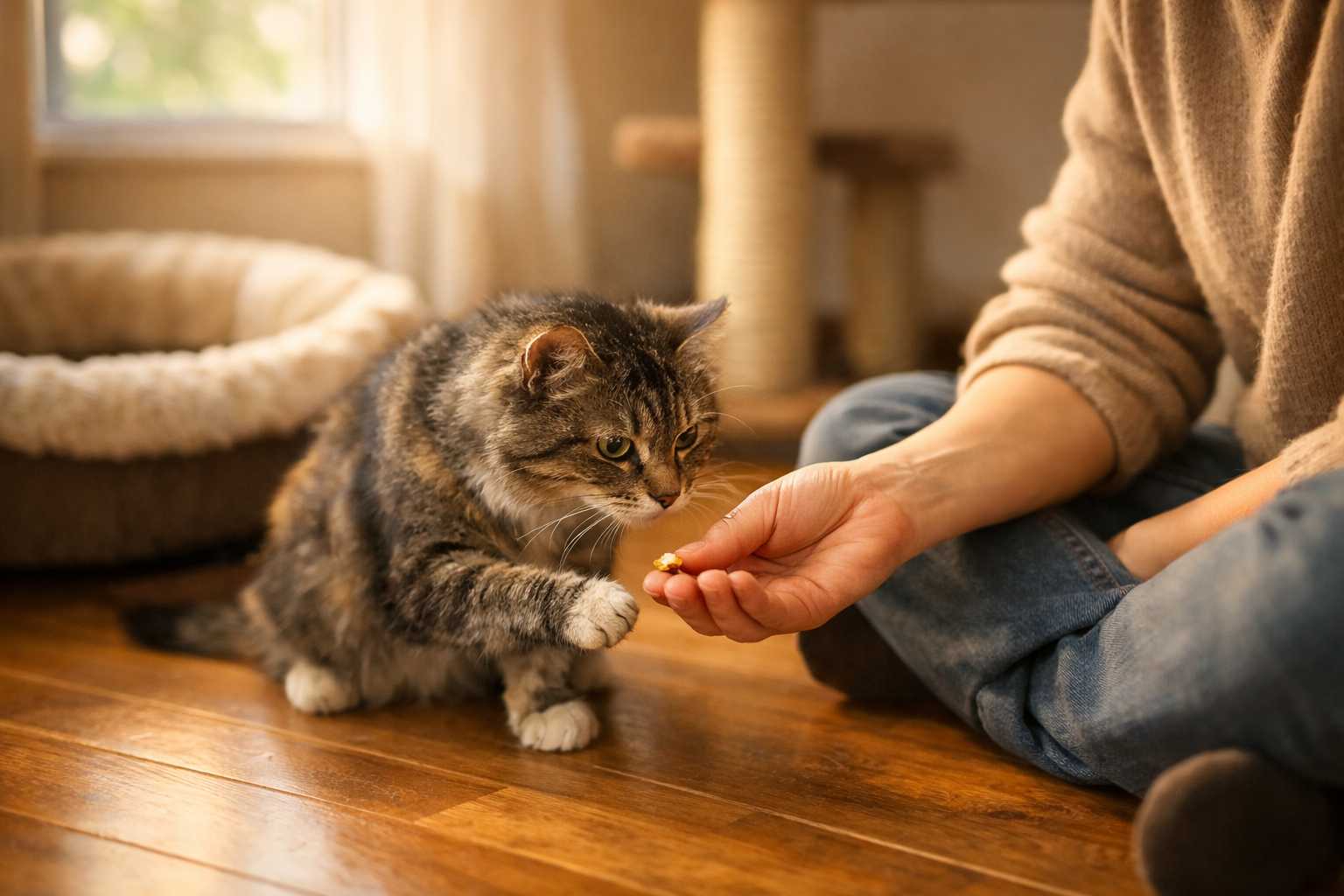
Training Your Rescue Cat: Basic Instructions and Social Integration
The decision to provide a home for a rescue cat can be extremely fulfilling. These magnificent creatures warrant all the affection and tolerance that we can extend to them. Training your adopted cat doesn't just simplify life at home - it allows them to feel secure and cherished in their new environment.
Familiarizing Yourself with Your Rescue Cat's Past
Each rescue cat comes with its own remarkable background. While some may have endured life in outdoor environments, others may have suffered from neglect or trauma. There are also those who simply needed a new home due to prevailing circumstances.
The past experiences of your cat greatly influence their current behaviour. Fear not - with a little dedication and regularity, nearly every cat can learn to acclimate. The trick is to progress on their terms, not yours.
Initial Trust-Building Measures
Before you begin training your cat with specific commands, concentrate on establishing trust. This crucial first step sets the stage for all future interactions. Allow your cat to familiarize themselves with their new environment at their own pace. Regularly offer treats without expecting anything in return.
Adopt a gentle tone around your new pet. Abrupt movements or loud noises can be startling and cause a fearful reaction. Strive to maintain a serene ambience where your cat can feel shielded.
Key Commands for Every Rescue Cat
"Come" Command
Initiate training the "come" command during meal times since food naturally motivates cats. Clearly say "come" and then place their food bowl down. Repeat this process every day.
Once they correlate the word with good outcomes, try using "come" in different situations. Always reward their response with treats or affection. Never summon your cat for something unpleasant, such as administering medicine.
"Sit" Command
It's a common misconception that cats cannot be trained to sit on command. Position a treat high above your cat's head. Gradually draw it backwards over their head, which should make them sit naturally.
As soon as they sit, say "sit" and instantly give them the treat. Practice for a few minutes each day. Cats respond best to brief, positive sessions.
"Stay" Command
The "stay" command is highly beneficial for ensuring your cat's safety. Start with your cat in a seated position. Raise your hand in a "halt" gesture and take a slight step backward.
Even if they remain still for just a couple of seconds, reward them immediately. Progressively increase the space and time you demand. This command can safeguard your cat by preventing them from dashing outside or into dangerous situations.
Litter Box Training Techniques for Rescue Cats
Though most cats intuitively use litter boxes, some may need gentle reminders. Initially, provide multiple boxes throughout your home and use fragrance-free, clumping litter.
Let your cat know the locations of these boxes. If accidents occur, clean the area meticulously using an enzymatic cleaner. Discourage punitive measures for accidents as they simply incite fear and perplexity.
It's worth noting that some rescue cats have preferences for specific types of litter. Keep experimenting with different materials until you find one that your cat prefers.
Effective Socialization Strategies
Meeting New People
Start socialization gradually for rescue cats. Initially, guests should pay no attention to your cat. Let their natural curiosity coax them towards your guests, who can then offer treats from a distance.
While some cats warm up to strangers quickly, others might require weeks or even months. Both reactions are perfectly normal. Refrain from forcing interactions, which can significantly hamper progress.
Co-existence with Other Pets
If you have other pets, keep them separated at first. Allow the rescued cat to become comfortable in one room before introducing other animals. They can become acquainted with each other's scents under doors prior to coming face-to-face.
Initial meetings should be short, supervised, and positive. Feed pets on different sides of a closed door to establish positive associations with each other's presence.
Slowly increase their interaction time as both animals adjust. Some cats form immediate friendships while others prefer to maintain a courteous distance - both scenarios are perfectly acceptable.
Shaping Positive Learning Experiences
Effective Use of Rewards
High-value rewards contribute to successful training sessions. Discover what your cat absolutely craves - whether it's freeze-dried chicken, tuna flakes, or commercially available treats. Reserve these special rewards exclusively for training.
Timing is crucial when doling out treats. Praise your cat at the precise moment they perform the desired action. Even a slight delay can lead to confusion.
Keeping Training Sessions Brief
Cats typically have shorter attention spans than dogs. Therefore, five-minute training courses are usually sufficient. Ensure each session culminates on a successful note with the accomplishment of a command.
Multiple small sessions throughout the day are more effective than a single lengthy one. This approach minimizes frustration for both you and your cat.
Addressing Common Behavioral Challenges
Managing Fear and Anxiety
Many rescue cats initially grapple with feelings of anxiety. Develop safe zones where your cat can withdraw and feel secure. Elevated spots can often bolster a cat's confidence.
Pheromone diffusers can naturally alleviate stress. Establish regular routines for feeding and playtime. Predictability aids anxiety-prone cats in relaxing and trusting their environment.
Solutions for Scratching
Scratching is a natural and necessary act for cats. Equip your home with a variety of scratching posts featuring different textures. Position them near areas where your cat tends to scratch inappropriately.
Praise your cat when they utilize the appropriate scratching posts. Temporarily cover problematic zones with double-sided tape or aluminum foil, which are textures that most cats instinctively avoid.
Boosting Confidence through Play
Interactive play sessions can enhance confidence in timid rescue cats. Encourage instinctive hunting behaviour using wand toys, while ensuring your cat "catches" the toy occasionally during play.
Puzzle feeders and treat-dispensing toys are great sources of mental stimulation. These activities develop problem-solving skills and reduce behavioural issues stemming from boredom.
Emphasizing Consistency and Patience
Training rescued cats necessitates additional patience and understanding. Progress may be slower than anticipated. Some cats may need several months to fully adapt to their new environment.
A consistent approach will enable your cat to learn more effectively. Consistently use the same commands and rewards, and ensure all members of the household adhere to the same training method.
Cherish smaller achievements along the way. Each positive interaction strengthens your bond with your cat. Remember that trust-building is a gradual process, but the rewards are immeasurable.
When to Contact a Professional
Some rescue cats may need extra support, beyond basic training. If your cat exhibits severe anxiety, aggression, or depression, it's prudent to reach out to your veterinarian.
Professional animal behaviour specialists can offer targeted guidance for difficult cases. Don't hesitate to seek help - it evidences your commitment to offering your cat the best possible life.
Conclusion
Training your rescue cat solidifies your bond and equips them to adjust to their new lifestyle. Cherish each small step of progress. Your patience and devotion will be reciprocated with years of companionship and affection.
These extraordinary creatures have already surmounted numerous challenges. With your consistent support and training, they can continue to thrive in their permanent home. Although fraught with challenges, the journey of rescue cat training is worthwhile as it results in a confident, well-adjusted feline companion.